The oldest botanical garden in the southern hemisphere — giant water lilies, avenues of palms, a talipot that flowers once in a lifetime, and nearly three centuries of plant collecting in one walk.
REGION
Pamplemousses (North)
BEST TIME
Early morning, cooler and quieter
ENTRY
Paid entry for non-residents
TIME NEEDED
2 to 3 hours
Why It's Worth the Visit
Three hundred years of plant collecting, in one garden.
Officially the Sir Seewoosagur Ramgoolam Botanic Garden and still known to everyone as Pamplemousses, this began in the 1730s as a vegetable garden supplying the French governor Mahé de Labourdonnais at Mon Plaisir. It became something far more ambitious under Pierre Poivre, who from the late 1760s used it to acclimatise spices smuggled out of the Dutch East Indies — nutmeg, clove, cinnamon — in a deliberate attempt to break the Dutch monopoly. Nicolas Céré laid out the avenues and dug the ponds after him; under British rule James Duncan brought in the palm collection. It took its present name in 1988, after the first Prime Minister of independent Mauritius, whose funerary monument stands near the château.
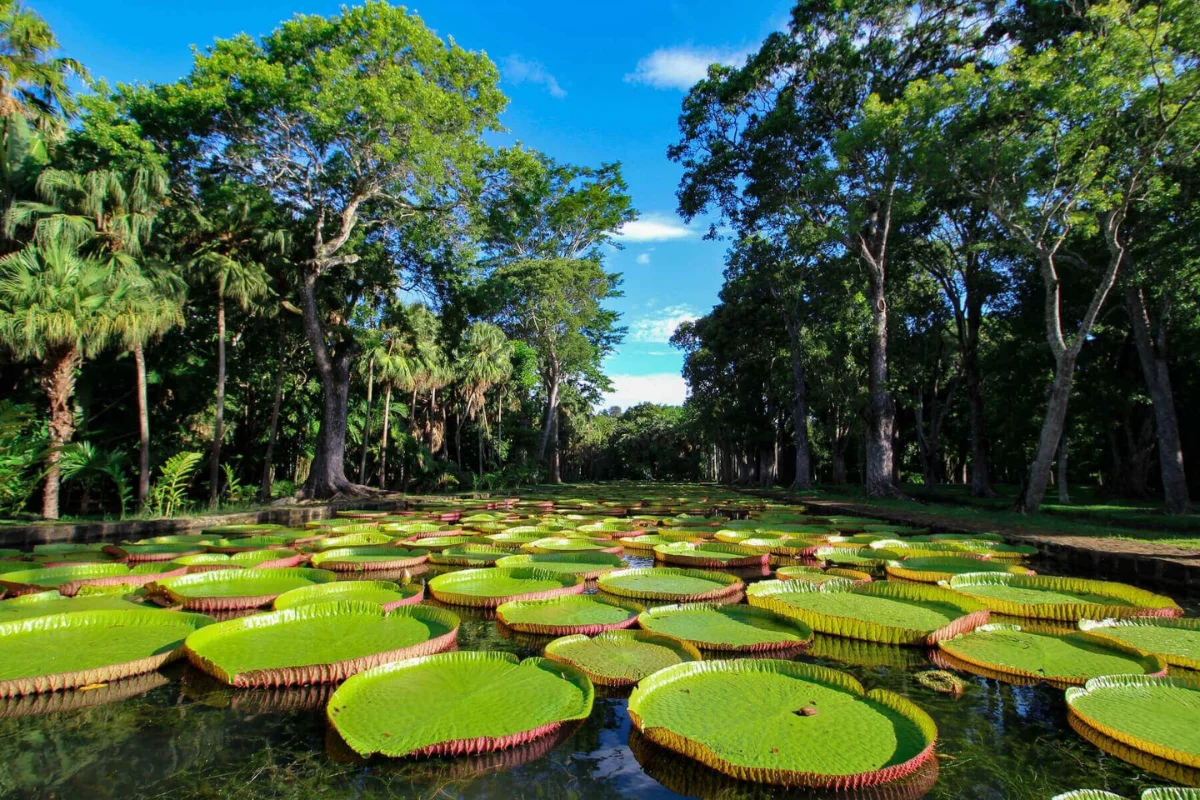
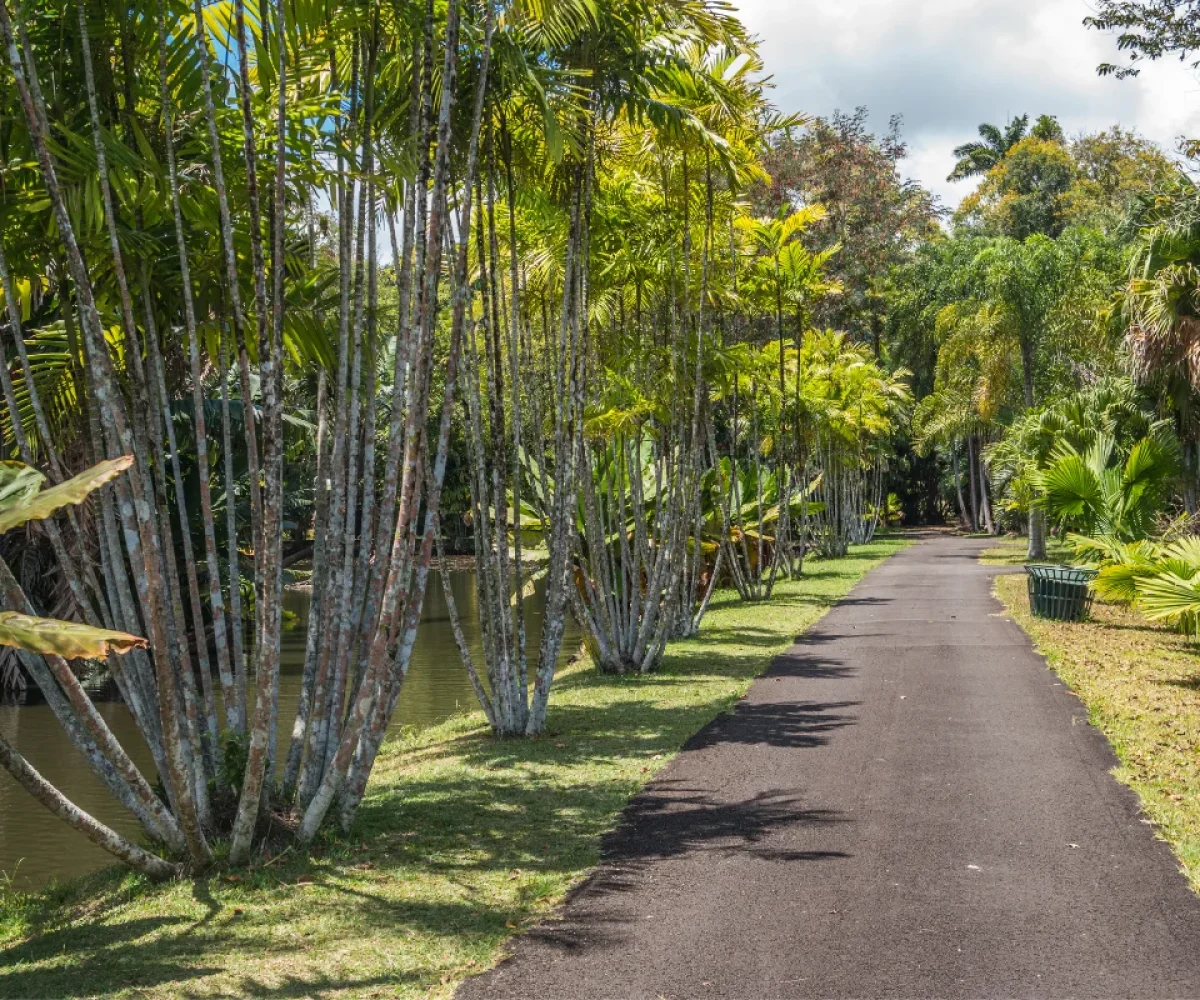
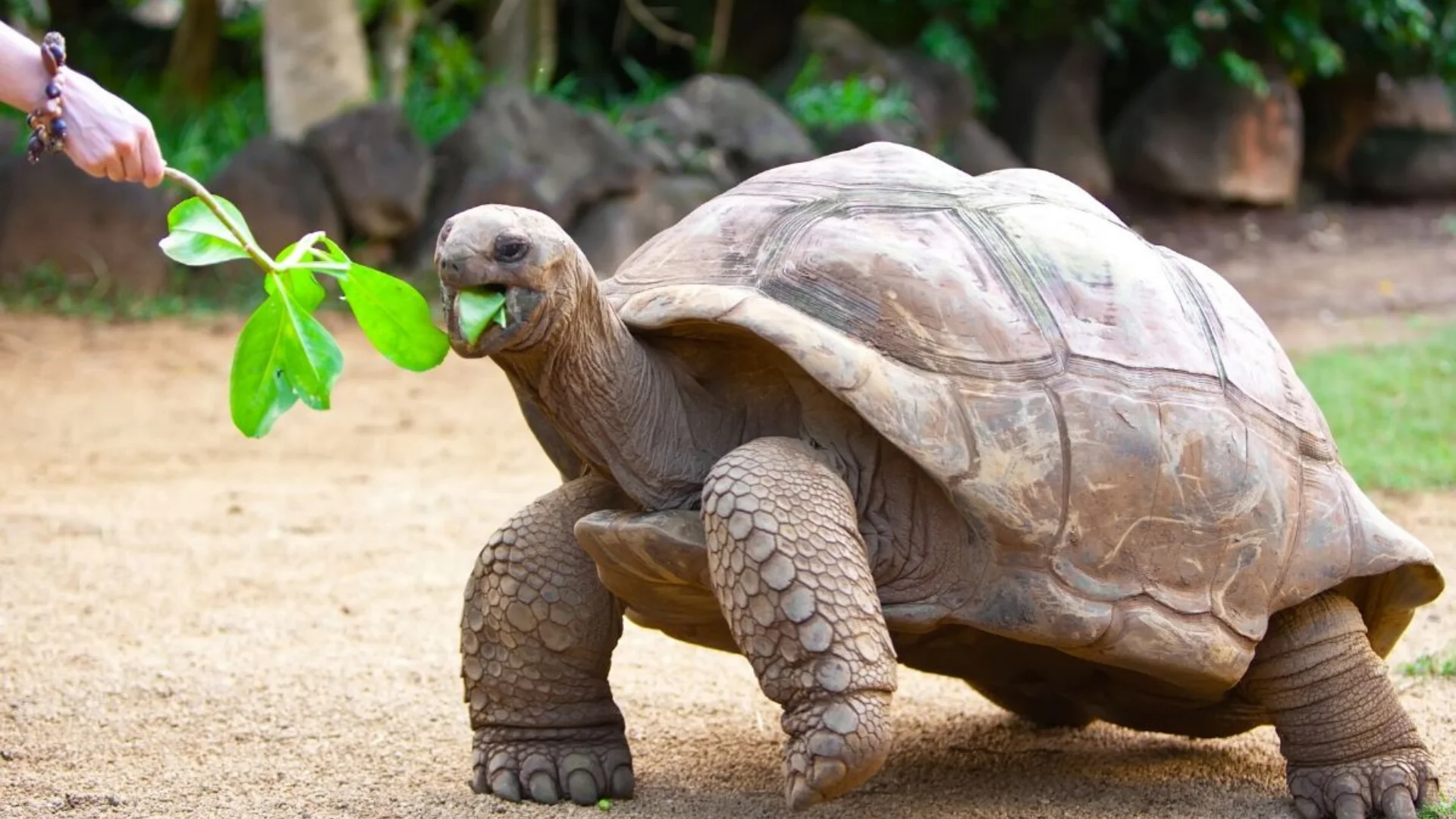
The single most photographed thing here is the pond of Victoria amazonica — giant Amazonian water lilies whose pads can exceed two metres across, with upturned rims like baking tins. Beyond it are more than eighty varieties of palm, including the talipot, which grows for decades, throws up an enormous flower spike once, and then dies. There is a spice garden, a medicinal plant section added with Chinese assistance in the 1990s, pens of Java deer and giant tortoises, a model of an early sugar mill, and the elegant Château de Mon Plaisir at the centre. The 1868 white wrought-iron gates at the entrance won a prize at the Crystal Palace exhibition in London. Official guides wait at the gate for a modest fee and are worth taking — much of what is remarkable here is not obvious without one.
Open daily, 8:30 AM – 5:30 PM Open on public holidays Official guides available at the gate
WHAT TO BRING
Comfortable shoes, a hat, water and insect repellent. Cash is useful for the entrance and for a guide. Golf carts can be hired at the gate if walking the whole garden is too much.
ACCESSIBILITY
Wide, largely level paths and free parking make this one of the easier attractions on the island for wheelchairs and pushchairs, though the garden is large — allow for distance, or hire a cart. Entry fees for non-residents change from time to time, so carry cash and check on arrival.
EXPLORE MORE AROUND
Pair Pamplemousses With
L'Aventure du Sucre
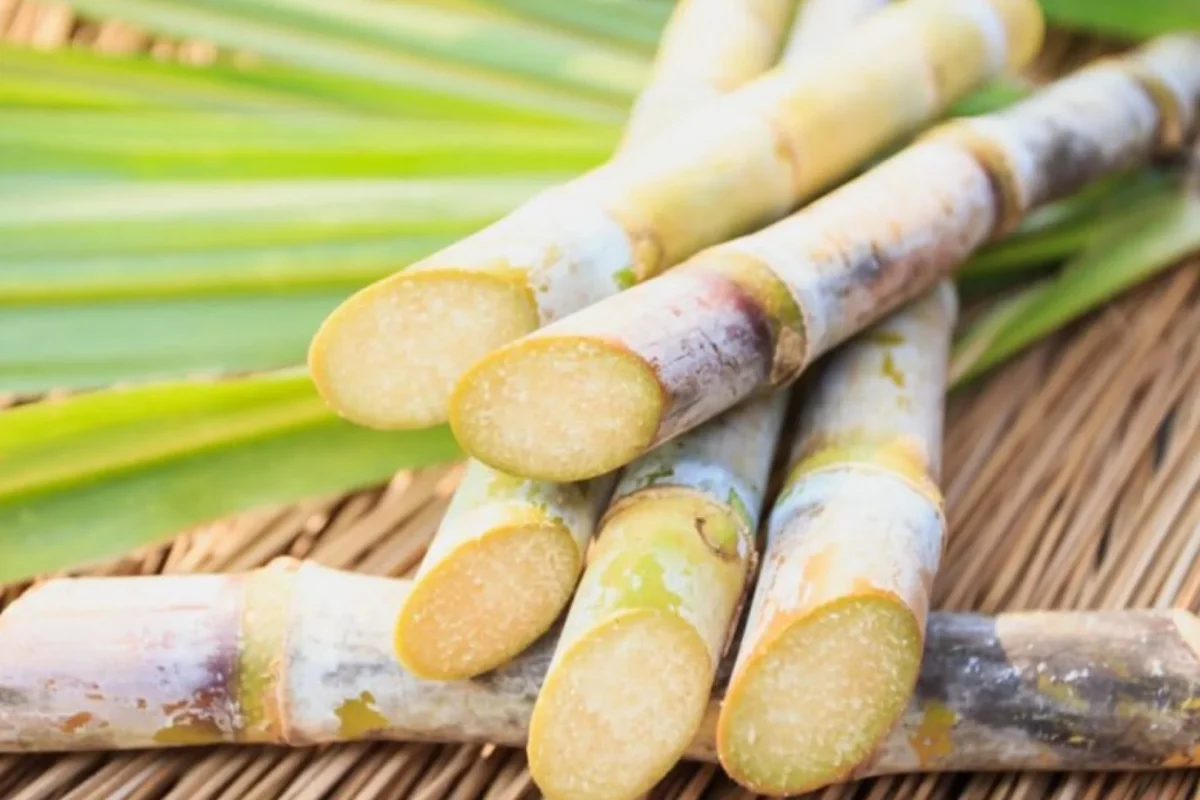
Next door at Beau Plan: the old sugar factory turned museum, with the original machinery in place and a tasting of unrefined sugars at the end.
Sir Seewoosagur Ramgoolam Botanic Garden, Pamplemousses, Mauritius
DRIVE TIME
Around 15–20 minutes from Port Louis Approximately 25–30 minutes from Grand Baie Around 50 minutes from the airport
GETTING THERE
Leave the M2 at the Pamplemousses roundabout and follow the signs; the entrance with the white gates has free parking. Buses run regularly from Port Louis.
It began in the 1730s as a vegetable garden for the French governor Mahé de Labourdonnais and became a botanical garden under Pierre Poivre from the late 1760s, which makes it the oldest in the southern hemisphere.
Victoria amazonica, native to the Amazon. Their floating pads can exceed two metres across and have distinctive upturned rims. The pond was one of the additions made by Nicolas Céré in the late eighteenth century.
Open daily from 8:30 AM to 5:30 PM, including public holidays. Non-residents pay an entrance fee at the gate; the amount is revised periodically, so carry cash and check on arrival. Residents enter free.
Yes. Official guides wait at the entrance for a modest fee, and much of what makes the collection remarkable — which palm is which, why the talipot matters — is not signposted. Golf carts can also be hired if walking the whole garden is too much.