Home / Experience Mauritius / Historical & Cultural Sites / Grand Bassin (Ganga Talao)

Grand Bassin – Ganga Talao

A crater lake 550 metres up in the Savanne highlands, held sacred by Hindus across Mauritius — ringed by temples, watched over by two colossal statues, and the destination of the island’s largest pilgrimage.

REGION
Grand Bassin, Savanne (Highlands)
BEST TIME
Early morning, before mist and coaches
ENTRY
Free – donations welcome
TIME NEEDED
1 to 2 hours
Why It's Worth the Visit

The most sacred place in Mauritius, in a volcanic crater.

Ganga Talao sits in the crater of an extinct volcano at about 550 metres above sea level, deep in the mountains of the Savanne district. Tradition holds that the lake was identified in 1897 by a priest from Triolet who had dreamt of a holy lake linked to the waters of the Ganges; from the following year pilgrims began walking here, and the belief that the lake and the Ganges are connected has shaped Mauritian Hindu practice ever since. Water is taken from it for ritual ablution and carried home in bottles by those making the journey.

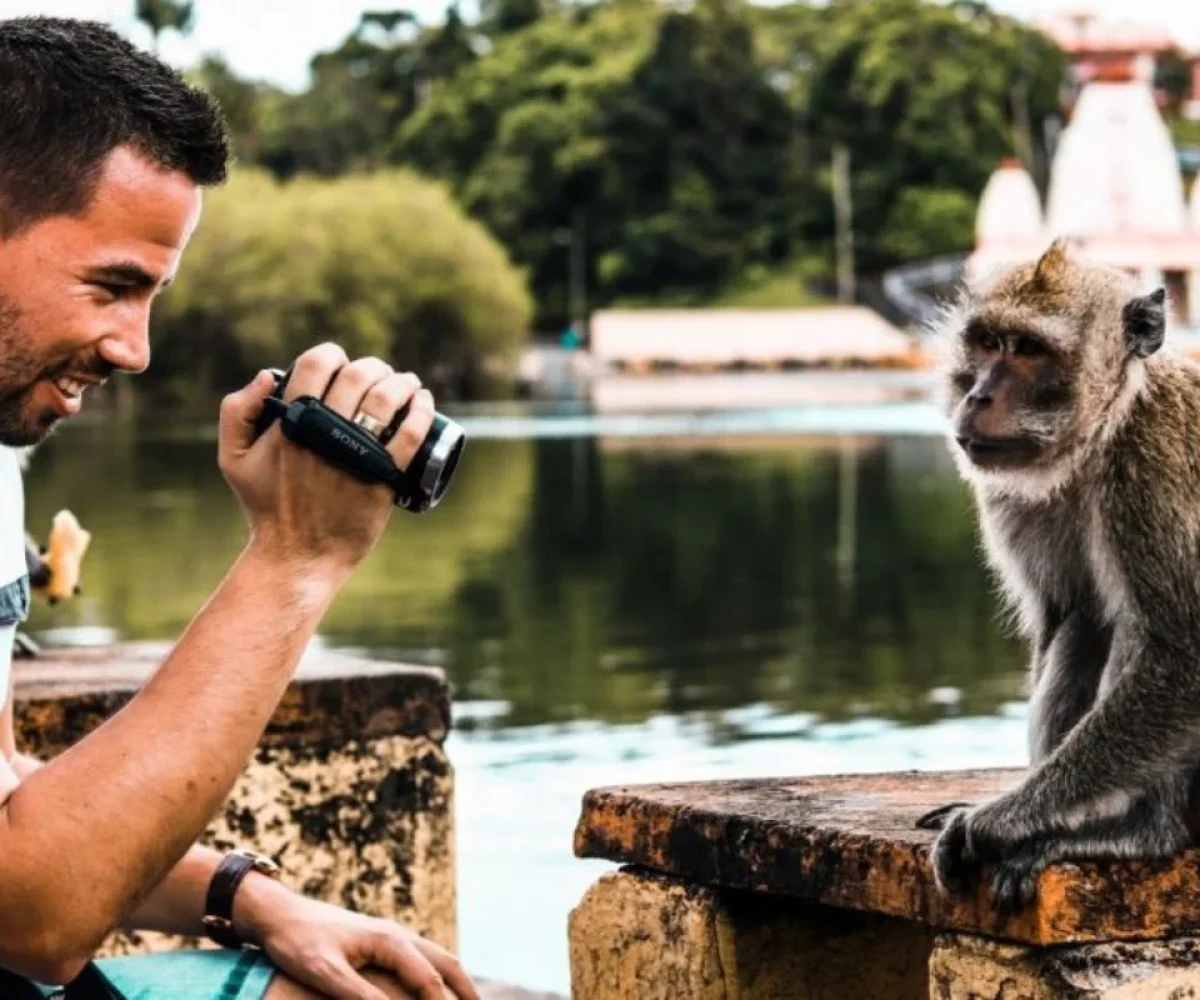
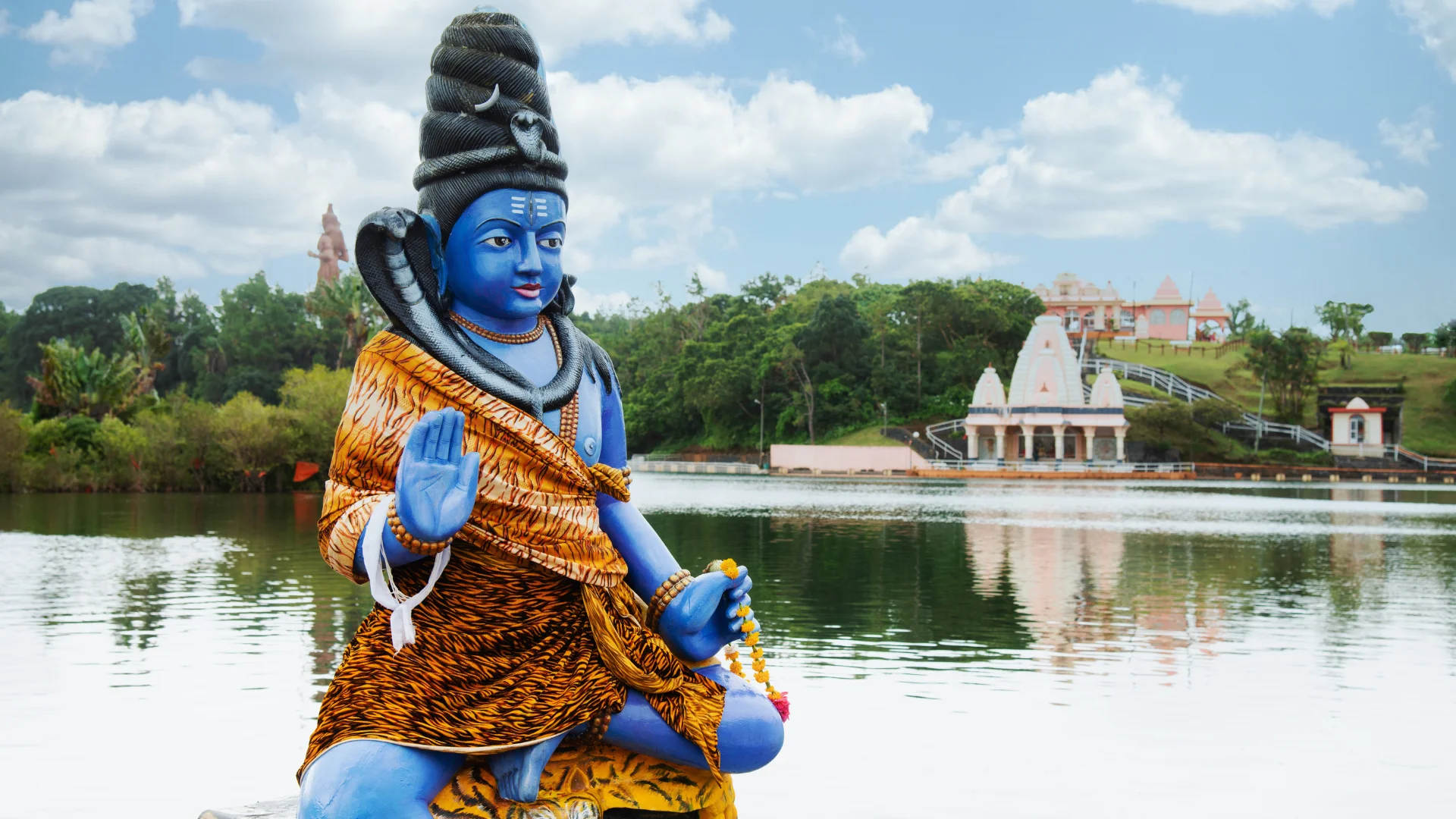
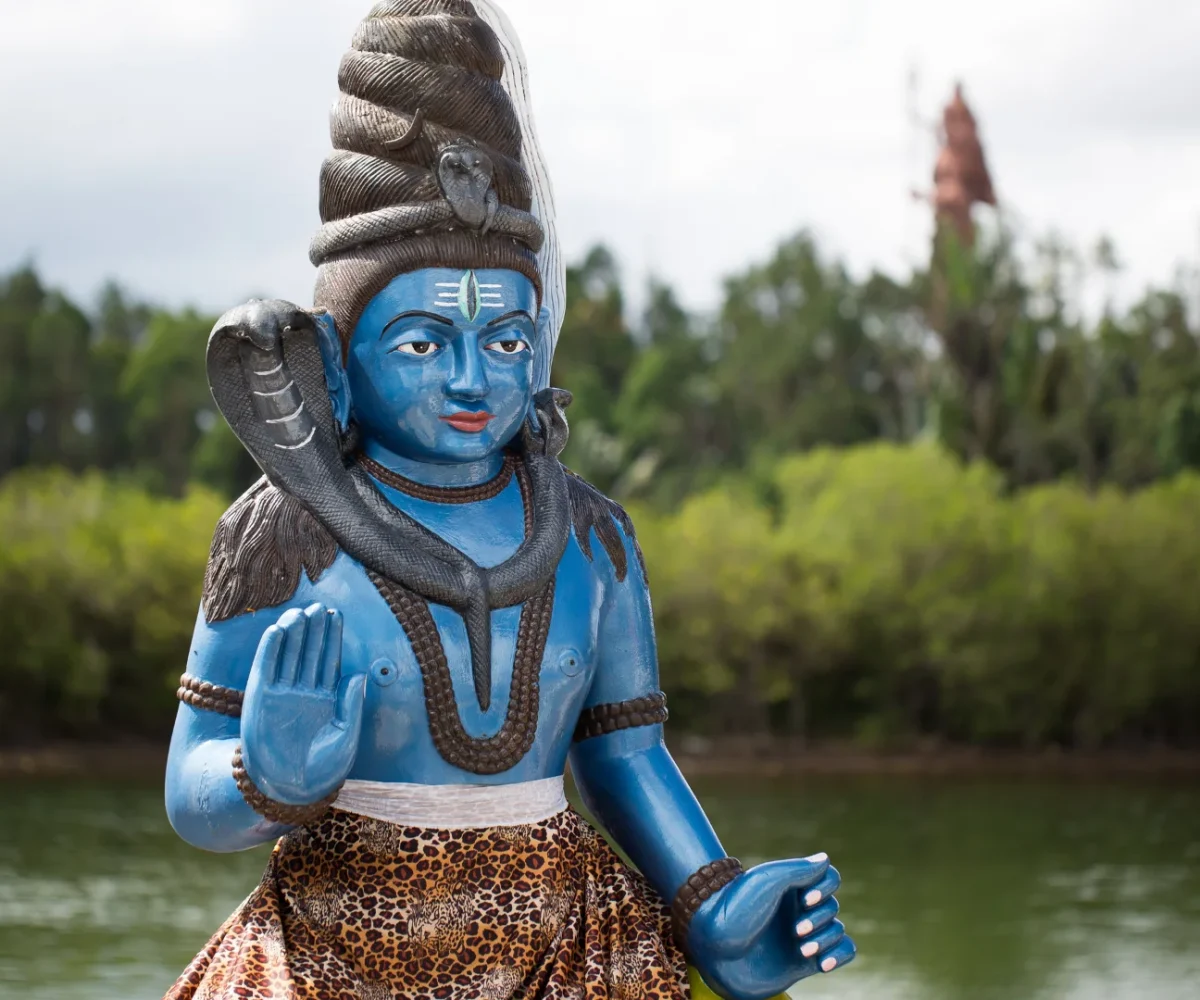
Two statues dominate the approach. Mangal Mahadev, a 33-metre Shiva holding his trident, was completed in 2007 and is a copy of the statue at Sursagar Lake in Vadodara; a Durga Mata figure of similar scale stands opposite. Around the water are temples to Shiva, Ganesh, Hanuman and the goddess Ganga — the Hanuman shrine is reached by 108 steps, one for each of the god’s names, with the widest view at the top. Troops of macaques work the car park, mist often drifts across the surface early in the day, and eels and fish are visible in the shallows. The site transforms at Maha Shivaratri in February or March, when hundreds of thousands of devotees in white walk here from across the island carrying decorated kanwars — the largest Hindu gathering outside India.

Temples and shrines lining the shore of Grand Bassin sacred lake, Mauritius
The 33-metre Mangal Mahadev statue of Shiva at the entrance to Grand Bassin
Macaques beside the sacred lake at Grand Bassin in the Mauritian highlands

Good to know.

OPENING HOURS

Open daily during daylight hours
No gate and no ticket
Busiest at Maha Shivaratri (Feb–Mar)

WHAT TO BRING

Clothing that covers shoulders and knees, and a light layer — the highlands are cooler and wetter than the coast. Keep food out of sight because of the monkeys.

ACCESSIBILITY

Level paths and parking beside the lake, with toilets on site. Remove your shoes before entering any temple, ask before photographing worshippers, and expect road closures and crowds around Maha Shivaratri.

EXPLORE MORE AROUND

Pair Grand Bassin With

Alexandra Falls

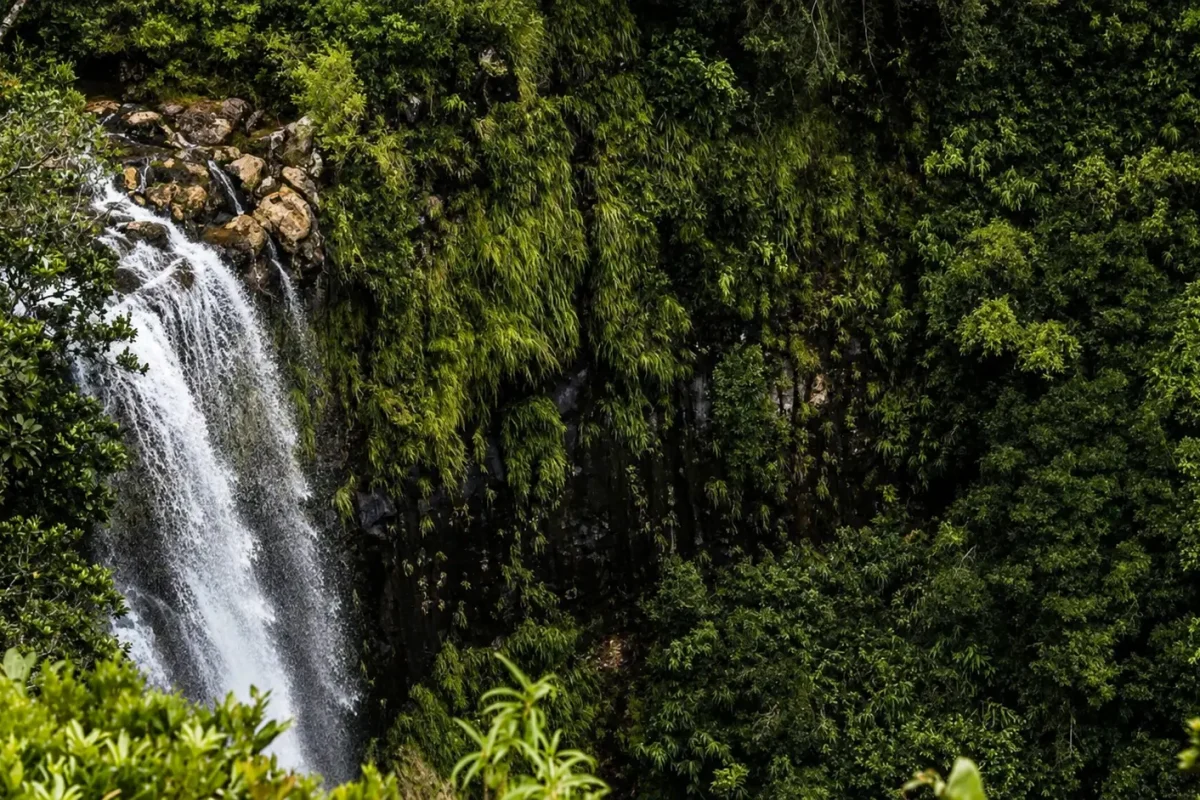
Twenty minutes along the plateau road, where the falls drop through forest from a railed viewpoint over the south coast.

Black River Gorges Viewpoint

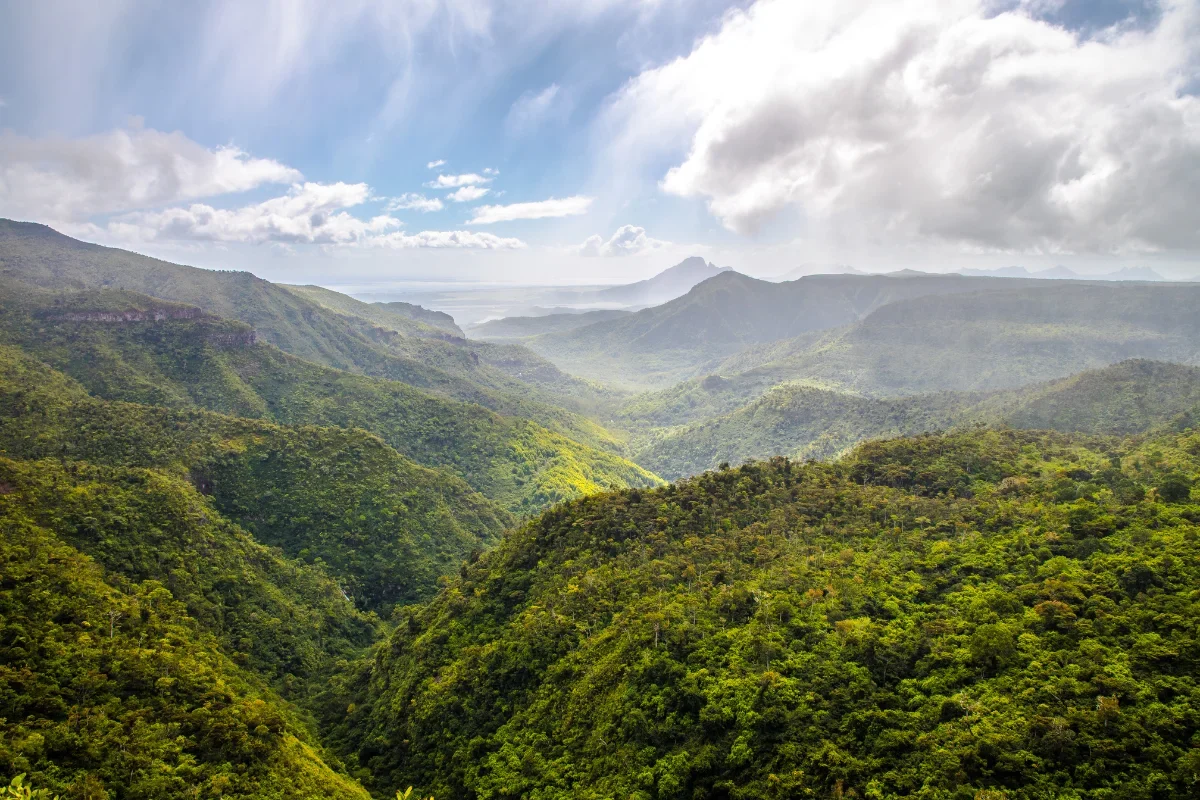
The widest view in the national park, right off the same road through the highlands, with native forest falling away below.

Bois Chéri Tea Factory

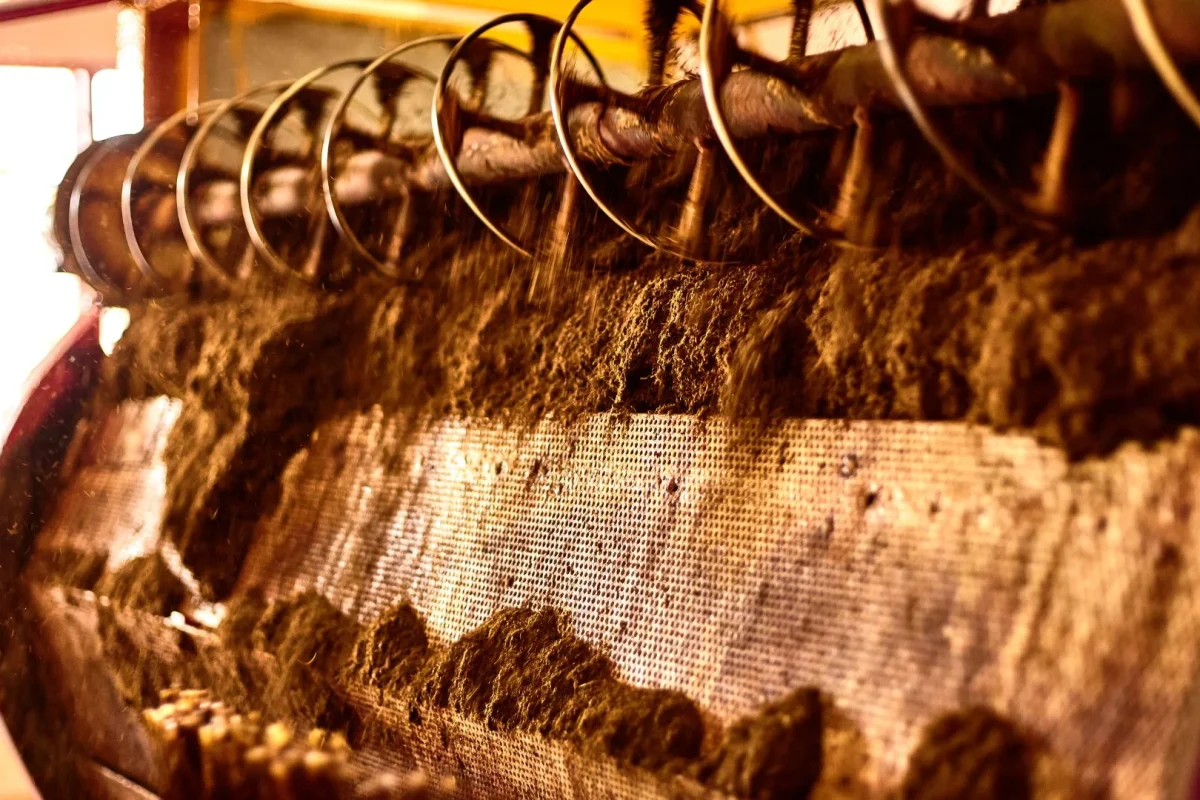
A few kilometres down the Route du Thé: the island’s oldest tea estate, with a factory tour and a tasting above the plantation.

FIND IT ON THE MAP

Where Grand Bassin sits

ADDRESS

Ganga Talao (Grand Bassin),
Grand Bassin,
Savanne District, Mauritius

DRIVE TIME

Around 1 hour from Port Louis
Approximately 30–35 minutes from Curepipe
Around 45–50 minutes from Le Morne

GETTING THERE

Reached on the plateau road from Mare aux Vacoas or from Plaine Champagne, with free parking beside the lake. The last stretch is narrow and often misty.

Explore Similar Places

GOOD TO ASK

Frequently asked questions.

The lake is believed to be connected to the waters of the Ganges. Tradition holds it was identified in 1897 by a priest from Triolet who dreamt of a holy lake in the mountains; pilgrims have walked here ever since, and water is taken from it for ritual purification.

Mangal Mahadev stands 33 metres (108 feet) at the entrance to the site, completed in 2007 and modelled on the Shiva statue at Sursagar Lake in Vadodara, India. A Durga Mata statue of comparable scale faces it.

Over several days in February or March, hundreds of thousands of devotees in white walk to the lake from across the island carrying decorated kanwars. It is the largest Hindu gathering outside India — extraordinary to witness, but expect heavy crowds and road closures.
Entry is free, with donations welcome for temple upkeep. Dress modestly with shoulders and knees covered, and remove your shoes before entering any temple.

One to two hours to walk the lakeside, visit the main temples and climb the 108 steps to the Hanuman shrine. Mornings are clearest, before mist and tour groups arrive.