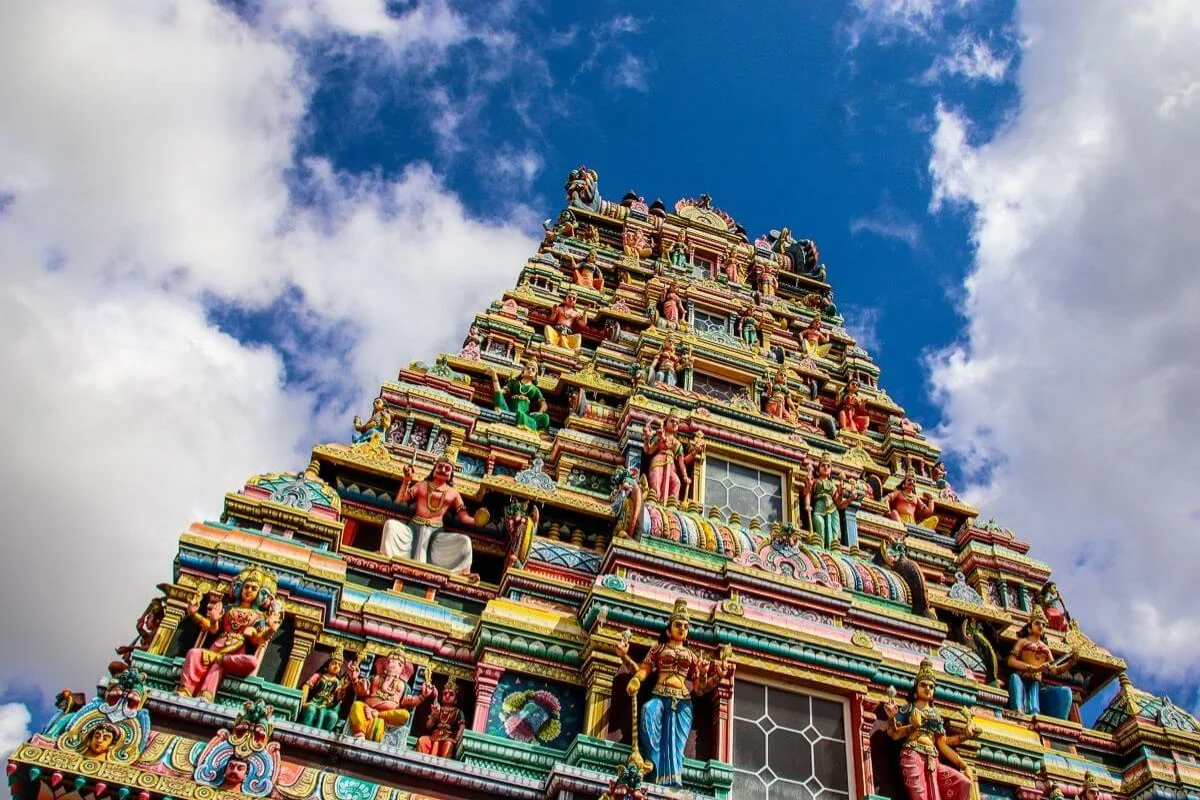
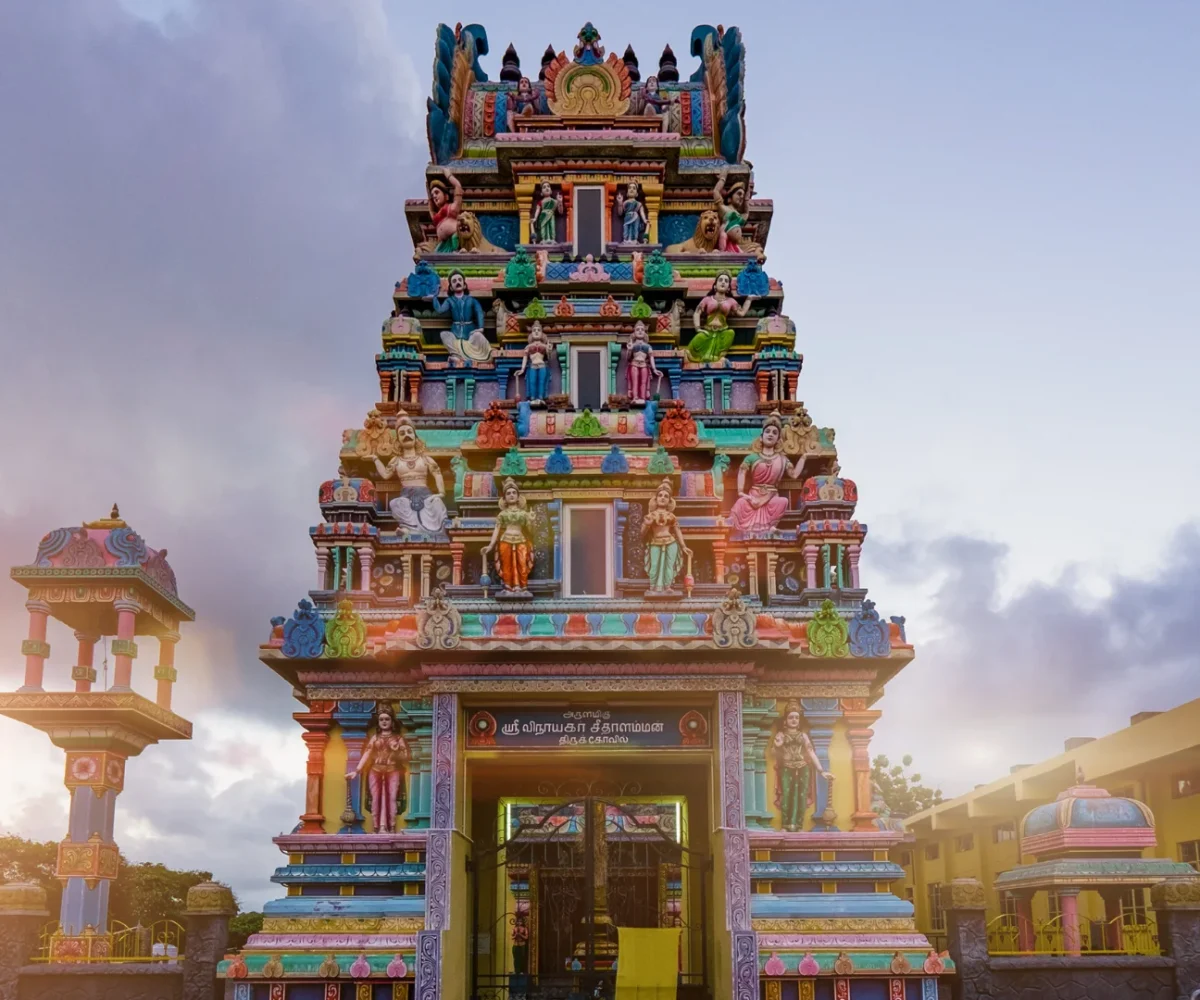
A Tamil temple set among the cane fields near Camp Diable, founded by indentured labourers in the 19th century and still central to village life in the south — reached along an avenue of palms.
REGION
Riche Bois, Camp Diable (South)
BEST TIME
Mornings; festival days for ceremonies
VISIT
Free – donations welcome
TIME NEEDED
30 to 45 minutes
Why It's Worth the Visit
A working Tamil temple, out where the cane begins.
Amma Tookay Kovil stands in open country between Britannia and Camp Diable, in the sugar belt of the south. Its origins lie with the Tamil indentured labourers who came to work the surrounding estates in the 19th century and wanted a place of worship close to the fields. The story most often told here is of a sacred statue found among the cane more than a century and a half ago, around which the first shrine was raised. The temple has been looked after by the Savanne Tamil Benevolent Society since the 1960s.
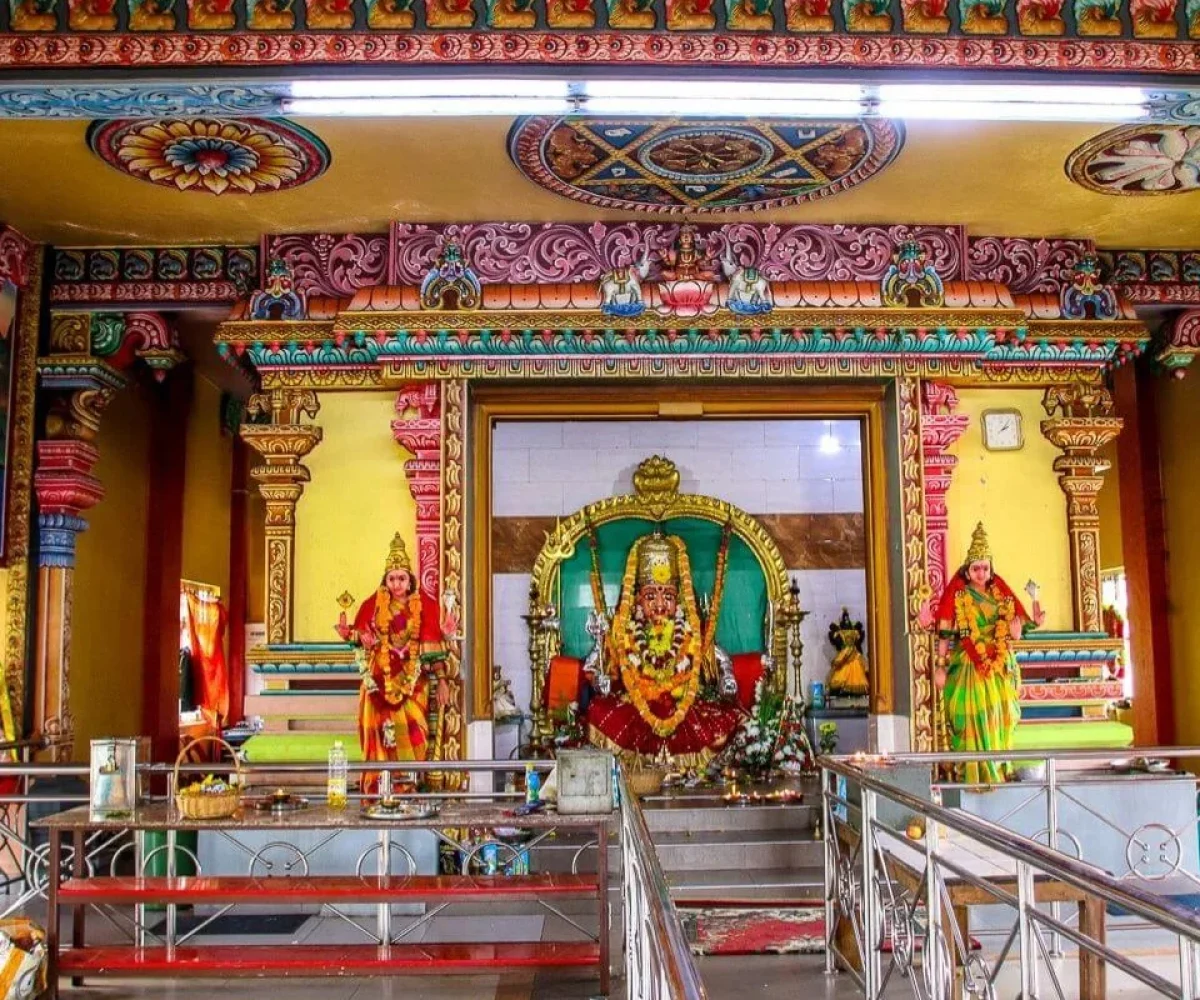
An avenue of palms leads to the enclosure. The main shrine is dedicated to the mother goddess — Amma, venerated here in the form of Durga — and around the central courtyard stand smaller shrines to Shiva, Muruga, Ganesh, the seven forms of Kali and the Nava Grahas, the nine planetary deities. The architecture is Dravidian and unrestrained: tiered towers crowded with painted figures, bright colour against green cane. It is quieter and more local in feel than the island’s big pilgrimage sites, and prayers are still held before the annual sugarcane harvest, asking protection for the crop and the people who cut it. Visitors are welcome to walk the courtyard respectfully; remove your shoes before entering, dress modestly and ask before photographing anyone at prayer.
Open daily during daylight hours Prayer times vary — mornings are quietest Busiest on Tamil festival days
WHAT TO BRING
Clothing that covers shoulders and knees, and socks or bare feet — shoes come off before you enter. There is no shop or cafe out here, so bring water.
ACCESSIBILITY
Level ground and open parking beside the palm avenue. This is an active place of worship rather than a visitor attraction: keep voices low, do not walk in front of anyone praying, and ask before taking photographs of people.
EXPLORE MORE AROUND
Pair Tookay Temple With
Heritage Spice House
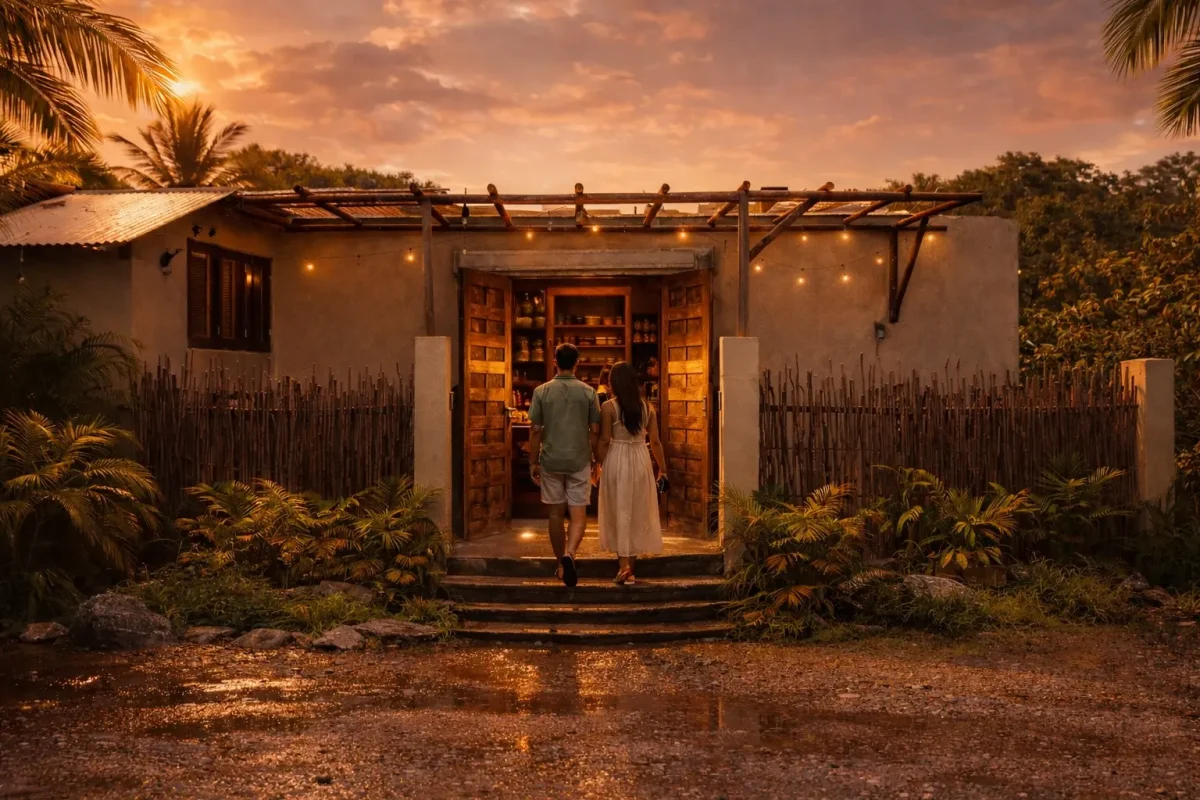
Twenty minutes towards the coast at Riambel: a family-run cultural house with a heritage museum, spice gardens, stone grinding and tastings.
Amma Tookay Kovil, Riche Bois, Camp Diable, Savanne District, Mauritius
DRIVE TIME
~1 hr from Port Louis ~35 min from the airport ~20 min from Souillac
GETTING THERE
Signposted off the road between Britannia and Camp Diable in the southern cane belt, with an avenue of palms leading to the temple and open parking at the entrance.
Amma Tookay Kovil, a Tamil temple in the cane fields at Riche Bois near Camp Diable in the south. It was founded by indentured labourers from Tamil Nadu in the 19th century and has been managed by the Savanne Tamil Benevolent Society since the 1960s.
The main shrine is dedicated to the mother goddess Amma, venerated in the form of Durga. Smaller shrines around the courtyard honour Shiva, Muruga, Ganesh, the seven forms of Kali and the Nava Grahas, the nine planetary deities.
Yes. Entry is free and visitors are welcome to walk the courtyard, but this is an active temple: remove your shoes, cover shoulders and knees, keep quiet and ask before photographing anyone at prayer.
The temple grew up among the estates that the founding families worked, and special prayers are still held before the annual sugarcane harvest, asking protection and a good season for the surrounding villages.
Mornings are calmest and the light is best on the painted tower. Tamil festival days bring ceremonies, music and large crowds — memorable to witness, but not a quiet visit.