Home / Experience Mauritius / Beaches / Belle Mare Beach
Kilometres of fine white sand along the east coast, backed by casuarinas and fronted by one of the widest lagoons in Mauritius — and the best place on the island to watch the sun come up.
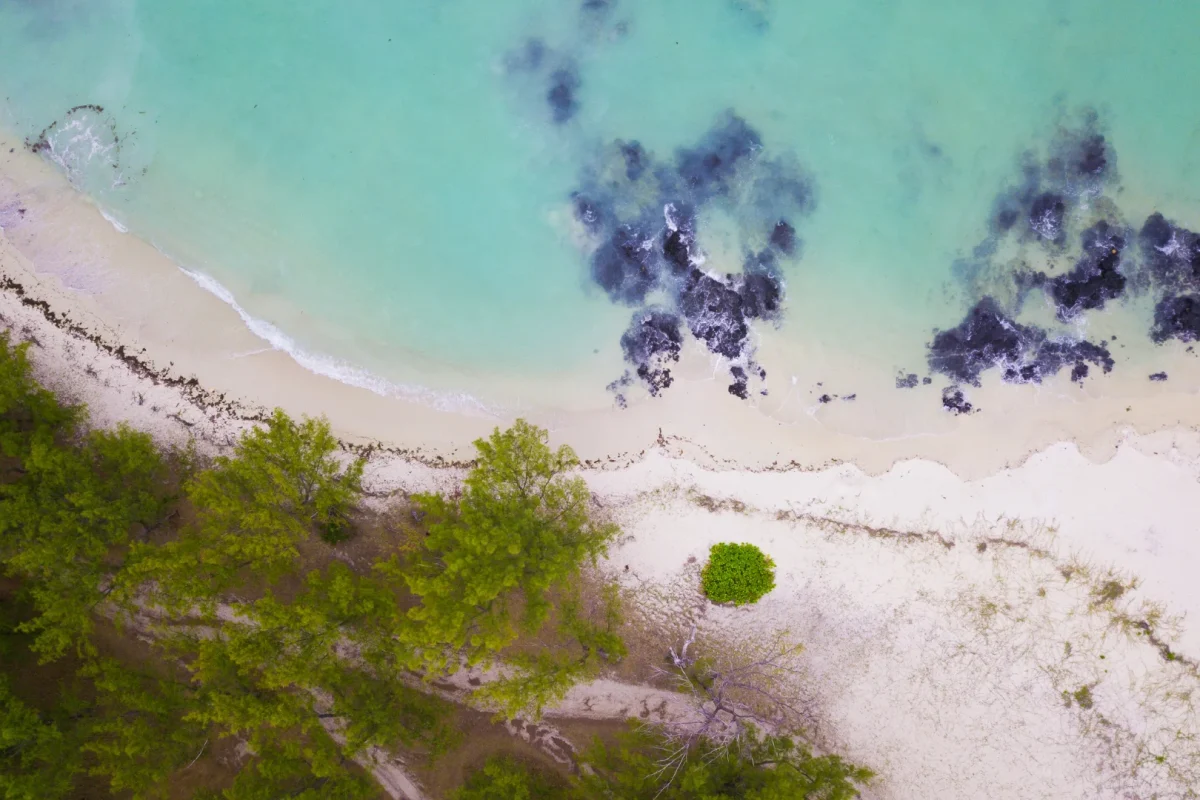
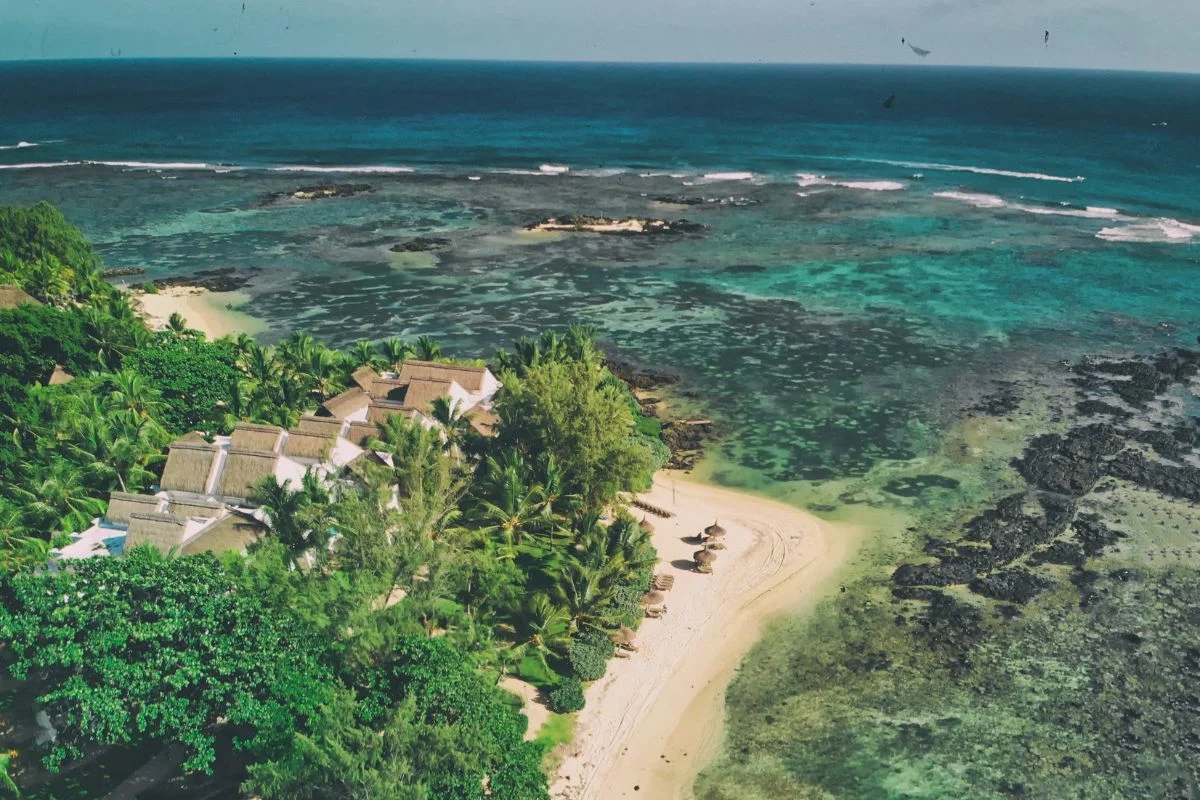
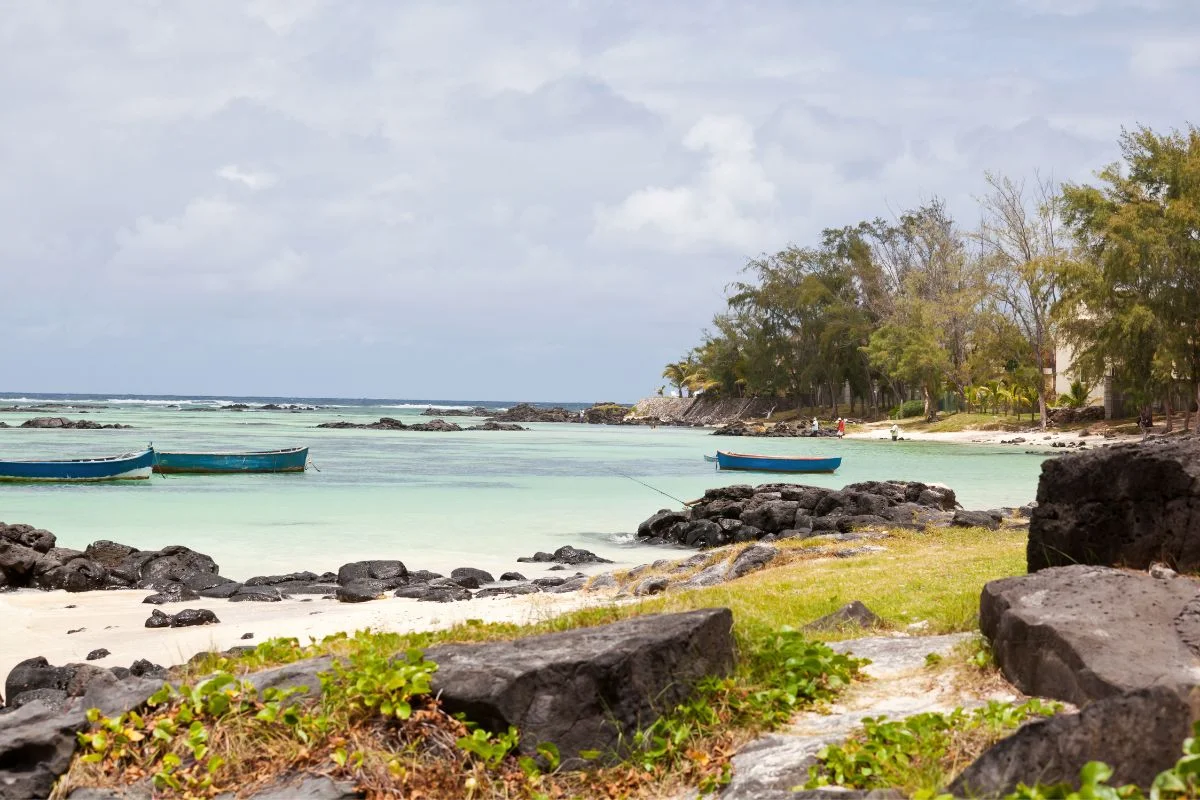
Belle Mare runs for several kilometres along the east coast of Flacq, and its scale is what sets it apart. Where most Mauritian beaches are pockets between headlands, this is an unbroken ribbon of fine, pale coral sand with casuarinas behind it and a lagoon in front that stretches far out to a distant reef line. The water shades from near-white in the shallows through every register of turquoise, and it stays shallow a long way out, which makes it forgiving for children and ideal for wading and floating rather than serious swimming.
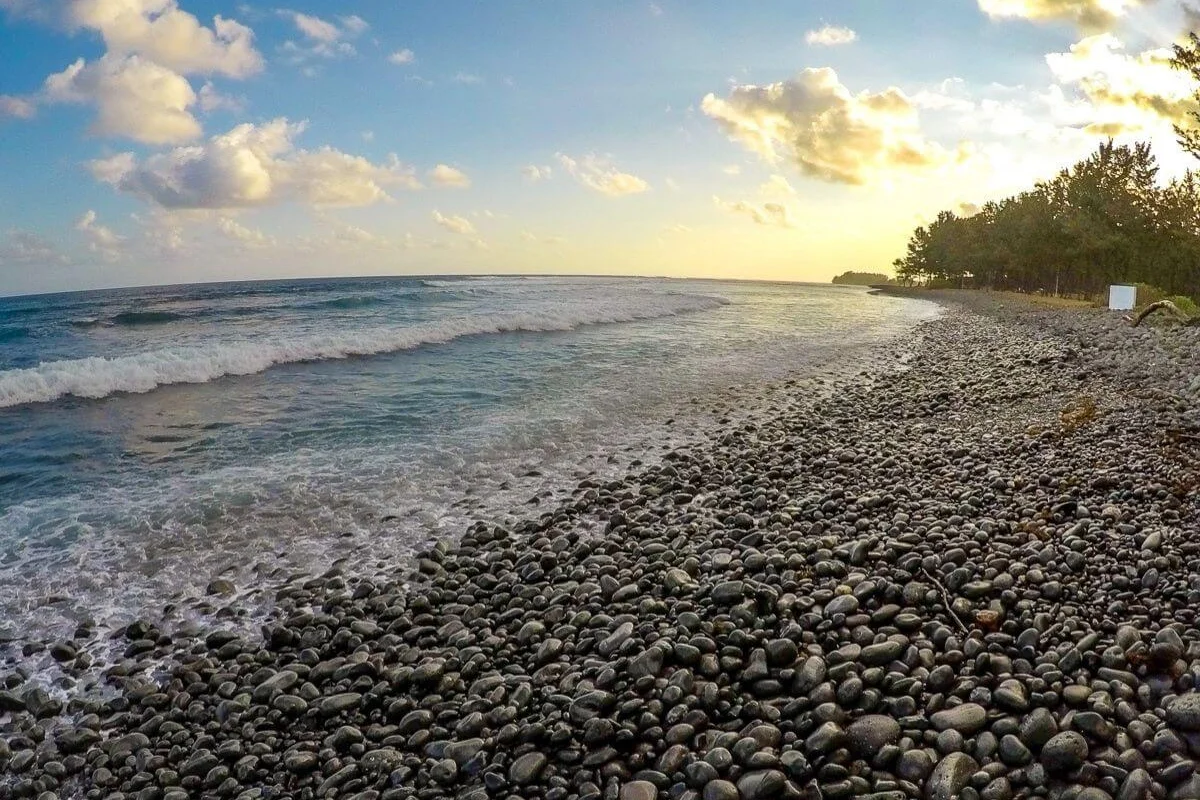
The east coast catches the south-easterly trade wind, and that shapes the day here: mornings are usually glassy and still, while the breeze picks up through the afternoon — which is why the resorts along this coast are known for windsurfing, kitesurfing and sailing. It also means Belle Mare is cooler and fresher than the west, and considerably less crowded. Because Mauritius faces east into the sunrise, this is the coast for early risers; the light coming up over the lagoon is the reason many people rate it the most beautiful beach on the island. Long sections are public with several parking areas, interspersed with hotel frontage, and the sand itself is walkable end to end.
Wide, shallow lagoon that stays waist-deep a long way out. No lifeguards, and currents can run near the reef passes — stay inside the lagoon. Sea urchins and coral rubble in patches, so water shoes help.
Reef-safe sunscreen, a windbreaker for the afternoon breeze, and a picnic — the public stretches have shade but few permanent facilities.
Free parking at several points along the coast road, casuarina shade and toilets at the main public beach. Snack vans and boat operators appear at weekends. Hotel stretches are private, but the sand and foreshore remain publicly accessible.
Twenty minutes south to Trou d’Eau Douce, then a short boat crossing to the east coast’s best-known island day trip.
Up the coast beyond Roches Noires: a protected stretch of lagoon and reef, and a fishing village largely untouched by tourism.
Inland at Centre de Flacq is one of the island’s biggest open-air markets; for the capital’s version, the Port Louis bazaar is about an hour away.
Belle Mare Public Beach,
Coastal Road, Belle Mare,
Flacq District, Mauritius
Around 50 min–1 hour from Port Louis
Approximately 45 minutes from the airport
Around 1 hour from Grand Baie
On the coast road through Belle Mare in the east, with several signposted public access points and free parking between the hotel frontages.
Yes. Long sections are public with signposted access and free parking along the coast road, interspersed with hotel frontage. The sand and foreshore remain publicly accessible throughout, so you can walk the whole stretch.
The lagoon is wide, clear and shallow a long way out, which suits children and casual swimmers more than lap swimmers. There are no lifeguards; stay well inside the lagoon, as currents run near the reef passes, and water shoes help over patches of coral rubble.
Mauritius sits in the path of the south-easterly trade wind, which hits this coast first. Mornings are usually calm and glassy; the breeze builds through the afternoon — which is exactly why windsurfing, kitesurfing and sailing are so established here.
Sunrise. Mauritius faces east here, so the light coming up over the lagoon is the beach at its best, and the water is at its calmest before the wind picks up.
Casuarina shade, free parking at several points and toilets at the main public beach, with snack vans and boat operators appearing mostly at weekends. Bring a picnic if you plan to stay the day.