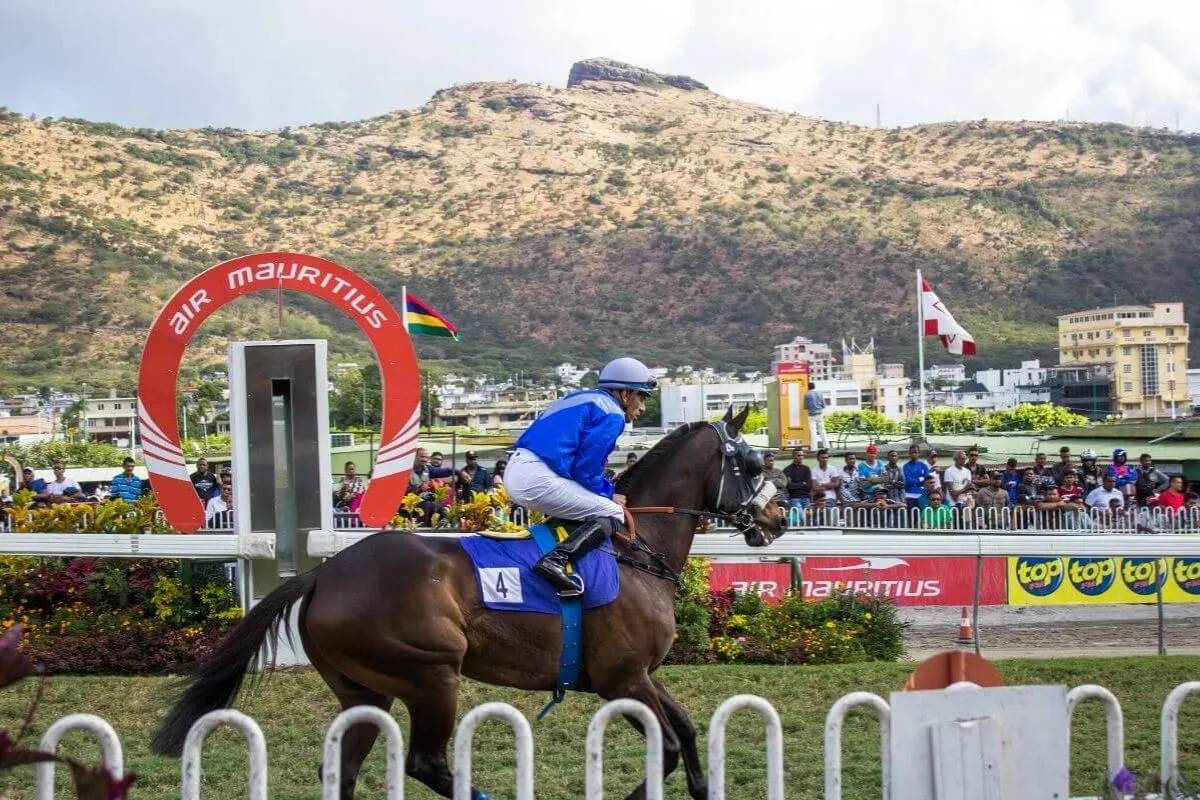
A racecourse in the middle of the capital, running since 1812 and the oldest in the southern hemisphere — and on race days, the loudest, most unfiltered gathering of Mauritians you will find anywhere on the island.
REGION
Champ de Mars, Port Louis
BEST TIME
Race Saturdays, roughly March to November
ENTRY
Public stands are inexpensive
TIME NEEDED
Half a day on a race day
Why It's Worth the Visit
The whole island, in one bowl, on a Saturday afternoon.
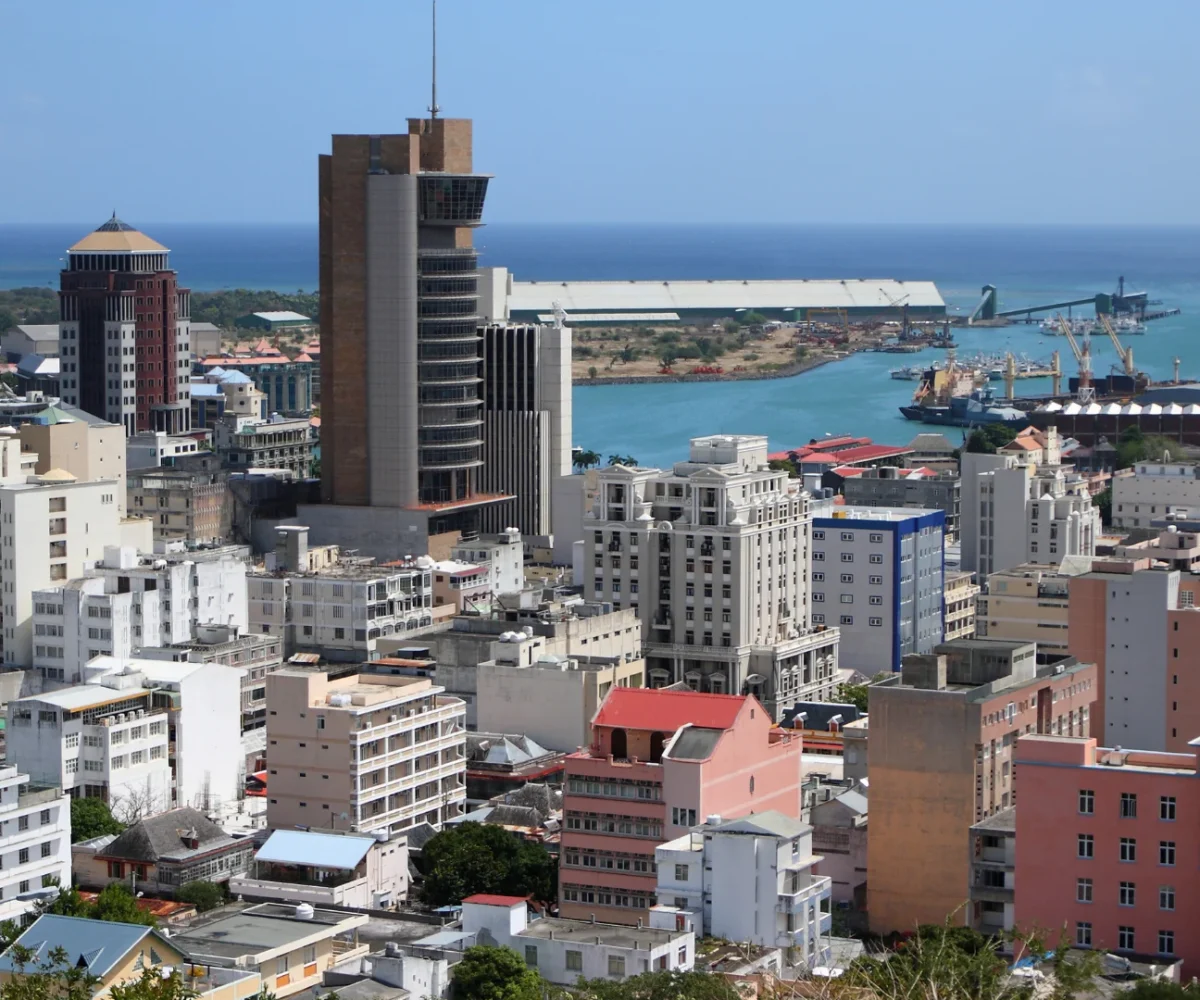
The Champ de Mars was laid out as a military parade ground under French rule and converted to racing in 1812 by the Mauritius Turf Club, founded that year by Colonel Edward Draper — making it the oldest racecourse in the southern hemisphere and one of the oldest anywhere still in use. It sits in a natural amphitheatre right in the middle of Port Louis, with the Moka mountains behind it and the fort of La Citadelle looking down from the hill.
Outside the season it is simply a green space in the city, used by walkers and joggers, with the monument to Malartic and a statue of King Edward VII standing at the edges. On race days it becomes something else entirely: tens of thousands of people packed into the stands and along the rail, bookmakers shouting odds, families with picnics, and a level of noise and commitment that has little to do with tourism. Racing generally runs on Saturdays through the winter and spring months, with the Maiden Cup in late season the biggest fixture of the year. Entry to the public stands is cheap, the private stands cost more and are calmer, and either way it is worth going early to find a spot. If horses are not your interest, the setting alone — a nineteenth-century track ringed by a working capital — is worth a walk-through on a quiet weekday.
Grounds open daily as public space Race meetings usually on Saturdays in season Season generally runs March to November
WHAT TO BRING
A hat, sunscreen and water — the public stands are exposed. Cash for entry, food stalls and, if you are so inclined, the bookmakers.
ACCESSIBILITY
Flat, central and walkable from most of Port Louis, with no dedicated visitor parking on race days — park at Caudan and walk, or take the Metro Express. Public stands are crowded and standing-room; private stands are seated and quieter. Fixtures shift year to year, so check the Mauritius Turf Club calendar before planning around a meeting.
EXPLORE MORE AROUND
Pair Champ de Mars With
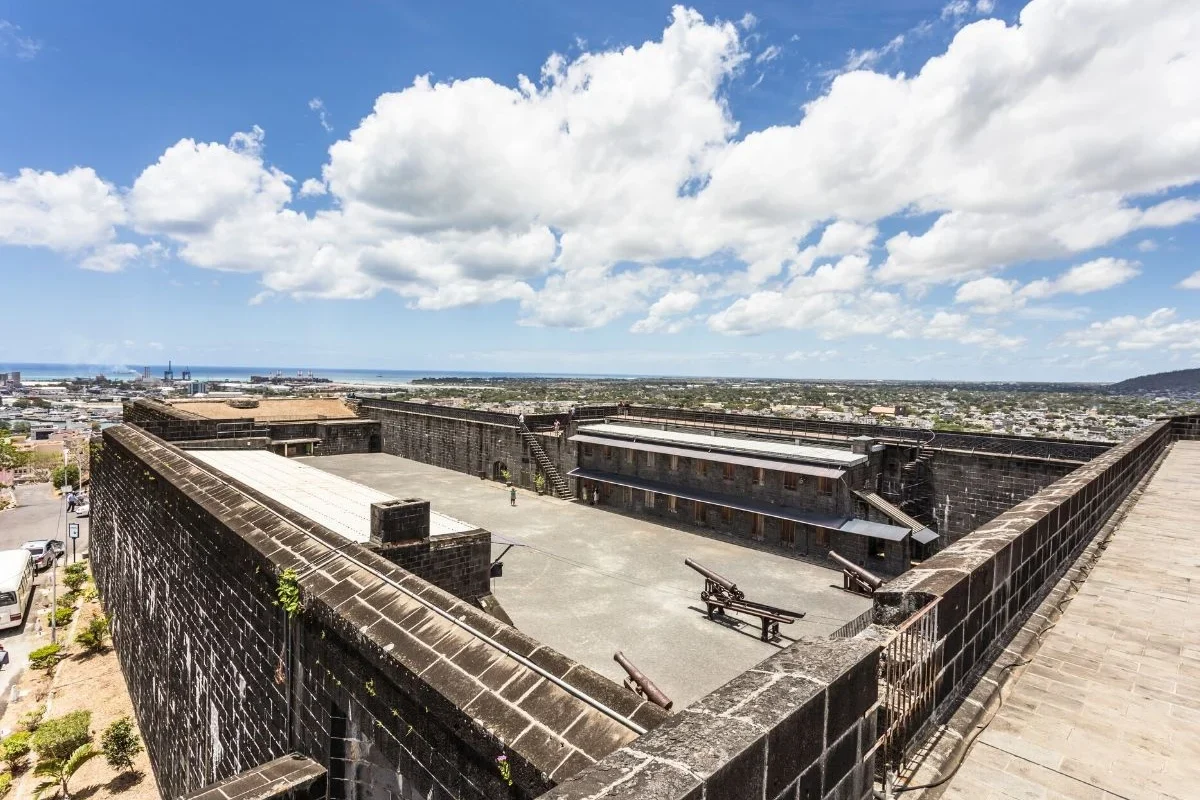
La Citadelle
The 1830s fort on the hill directly above the track, with the best view over the racecourse, the city and the harbour.
Champ de Mars Racecourse, Eugène Laurent Street, Port Louis, Mauritius
DRIVE TIME
Around 10 minutes’ walk from Caudan Waterfront Approximately 40 minutes from Grand Baie Around 50 minutes from the airport
GETTING THERE
In the centre of Port Louis, a short walk uphill from the waterfront and the central bus station. There is no visitor parking at the track on race days — use the Caudan car parks or the Metro Express and walk in.
Racing began in 1812, when the Mauritius Turf Club was founded by Colonel Edward Draper on what had been a French military parade ground. It is the oldest racecourse in the southern hemisphere and among the oldest still in use anywhere.
The season generally runs from around March to November, with meetings usually on Saturdays. The Maiden Cup late in the season is the biggest fixture. Dates shift year to year, so check the Turf Club calendar before planning around a meeting.
Crowded, loud and entirely local — tens of thousands of people in the stands and along the rail, bookmakers calling odds, families picnicking. It is one of the least touristy things you can do in Mauritius, and among the most memorable.
Public stands are inexpensive but crowded and standing-room; private stands cost more and are seated and calmer. Arrive early either way, and bring cash for entry and food stalls.
Yes. The grounds are open public space used by walkers and joggers, with the Malartic monument and a statue of King Edward VII around the edges — and the setting, a nineteenth-century track ringed by a working capital, is worth seeing even when empty.