A few blocks of shophouses, temples and family kitchens between Royal Street and Rue Reméno — the oldest Chinese quarter in the Indian Ocean, and the best street food in the capital.
REGION
Royal Street, Port Louis
BEST TIME
Late morning for food; evenings for the food market
ENTRY
Free – open streets
TIME NEEDED
1 to 2 hours
Why It's Worth the Visit
Two friendship gates, and everything in between.
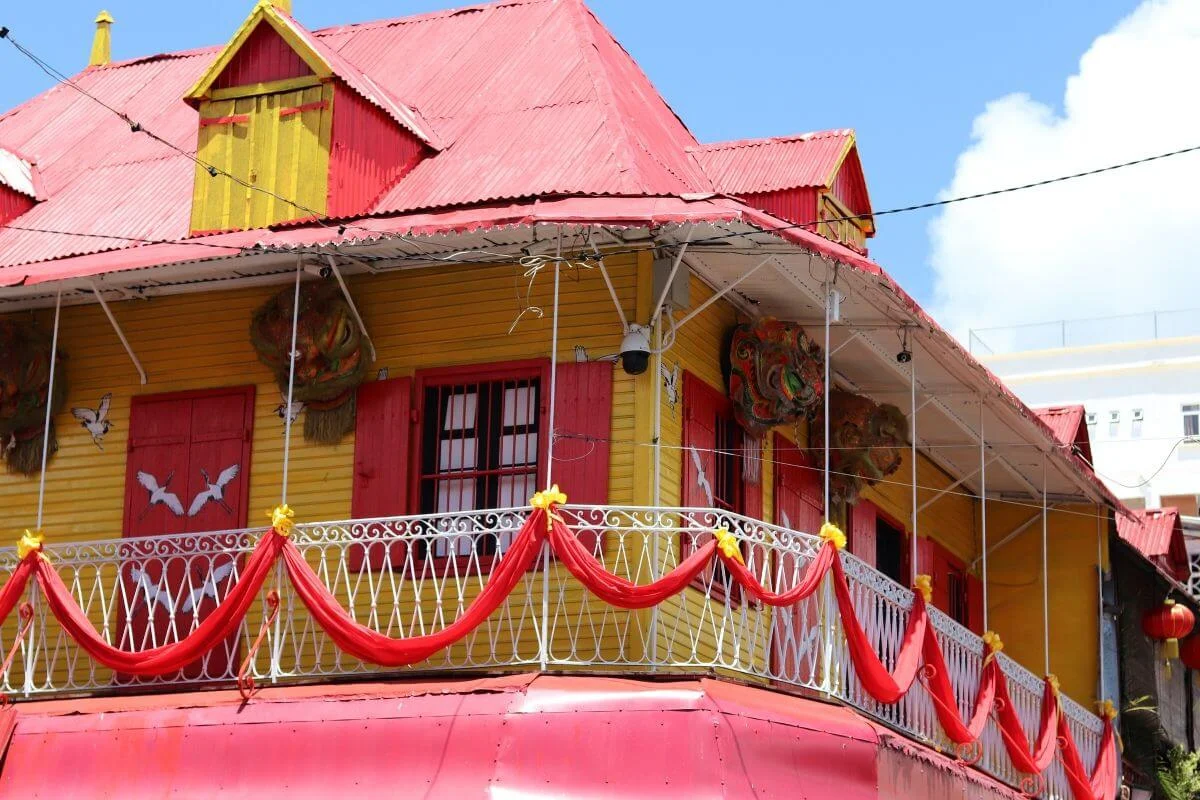
Chinese traders began settling in this corner of Port Louis in the early nineteenth century, many of them Hakka arrivals from Guangdong who opened boutiques — the small general stores that still carry the name across Mauritius. The quarter grew around Royal Street, and two red friendship gates now mark its ends. Behind them the streetscape is largely intact: two-storey shophouses with shuttered balconies, faded painted signage, wholesale traders, herbalists, and the Kwan Tee pagoda and other temples tucked between them.
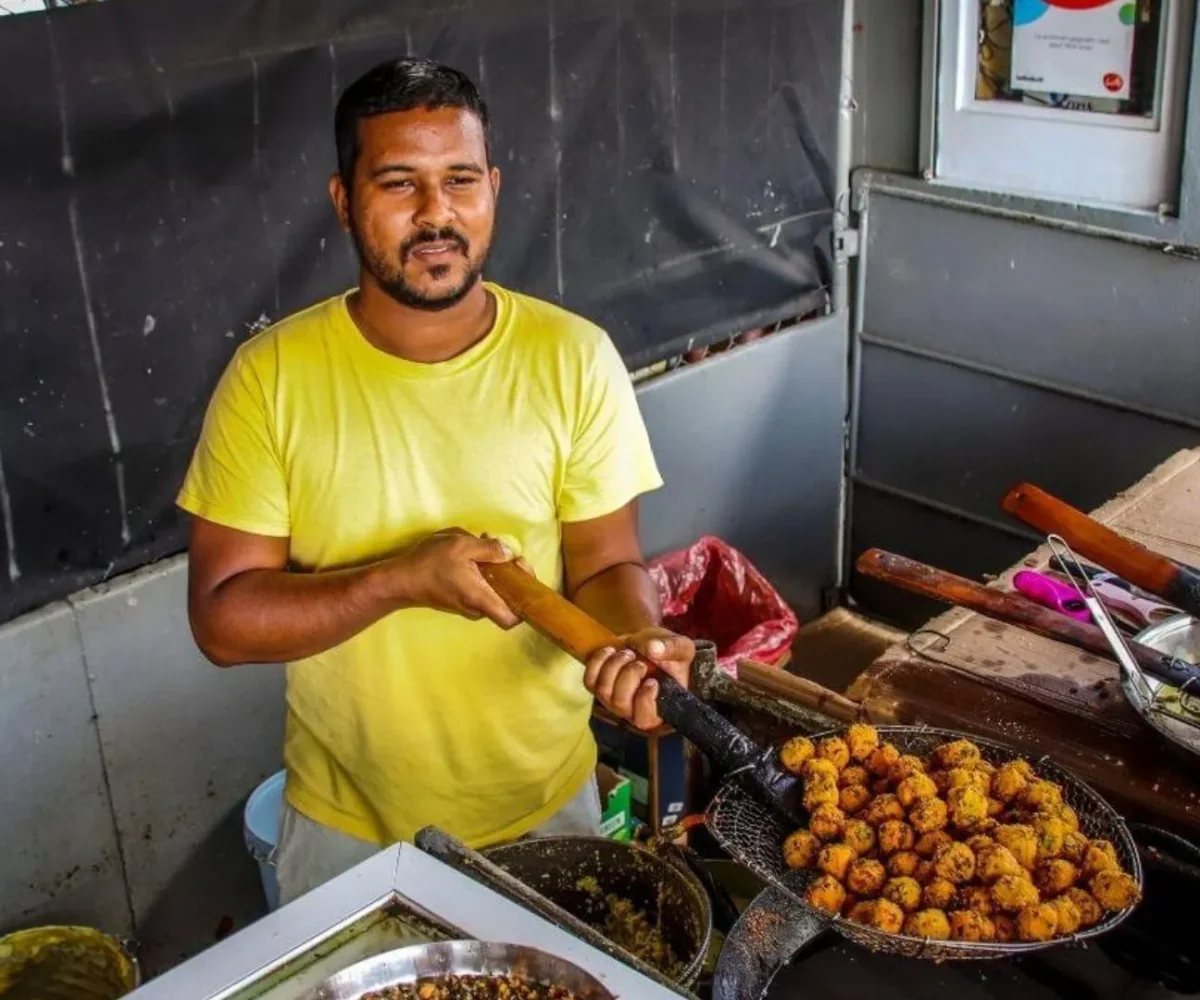
Come hungry. This is where Mauritians go for boulettes — steamed dumplings served in broth — alongside mine frite, noodle soups, roast pork and bao, sold from long-standing family restaurants and hole-in-the-wall counters rather than anywhere polished. Shops sell dried goods, spices, tea and Chinese medicine, and the pace is working-city rather than tourist-quarter, which is the appeal. It is at its liveliest around the Chinese Spring Festival, when the streets fill with dragon dances and firecrackers, and during the Chinatown Food and Cultural Festival, when Royal Street closes to traffic in the evening and becomes an open-air food market. On an ordinary weekday it is simply a good walk: go mid-morning to early afternoon, when the kitchens are open and the shops are trading.
Monday to Saturday, 9:00 AM – 5:00 PM Sunday — most shops and kitchens closed Open streets, no gate or ticket
WHAT TO BRING
Cash in small notes — many of the best counters do not take cards — and an appetite. Comfortable shoes for uneven pavements.
ACCESSIBILITY
Flat but busy: narrow pavements, delivery traffic and crowded shopfronts. Park at Caudan and walk in, or use the Metro Express. Temples are active places of worship — dress modestly and ask before photographing inside.
EXPLORE MORE AROUND
Pair Chinatown With
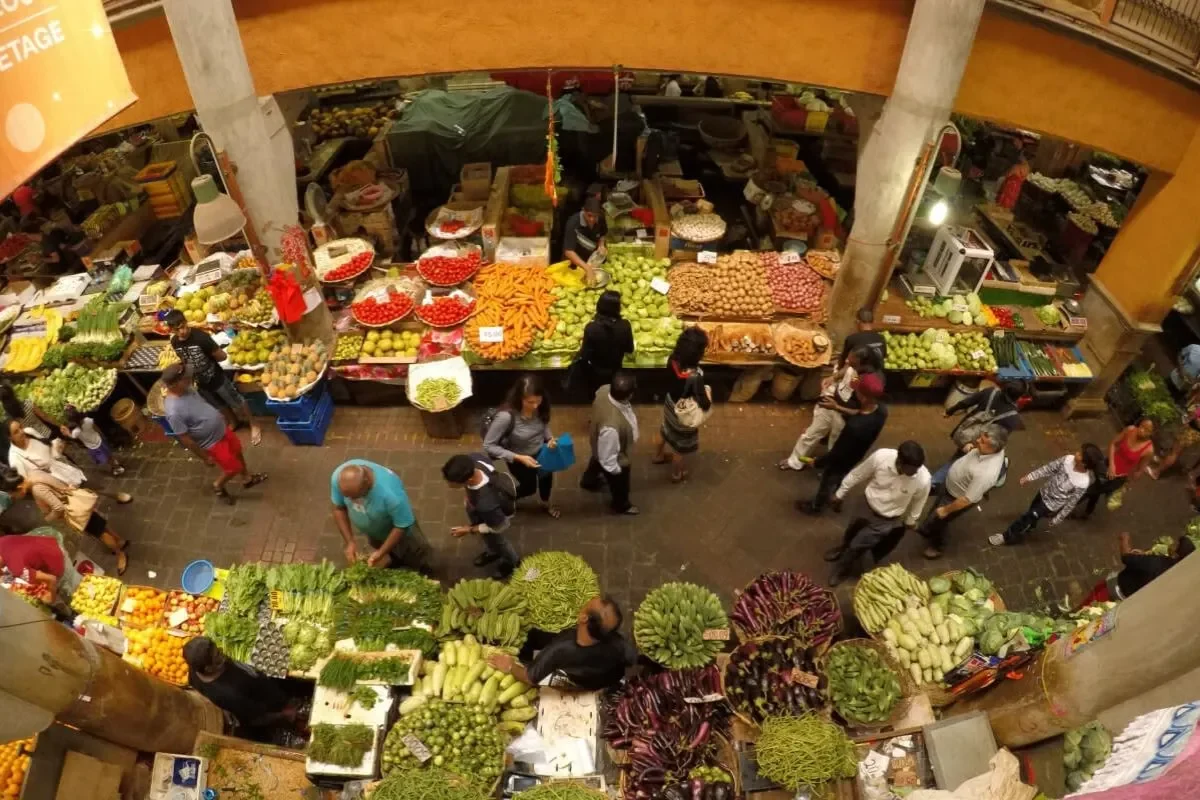
Port Louis Market
Five minutes away: the capital’s central bazaar, at its best in the morning for fruit, vanilla, chilli paste and street food.
Around 10 minutes’ walk from Caudan Waterfront Approximately 40 minutes from Grand Baie Around 50 minutes from the airport
GETTING THERE
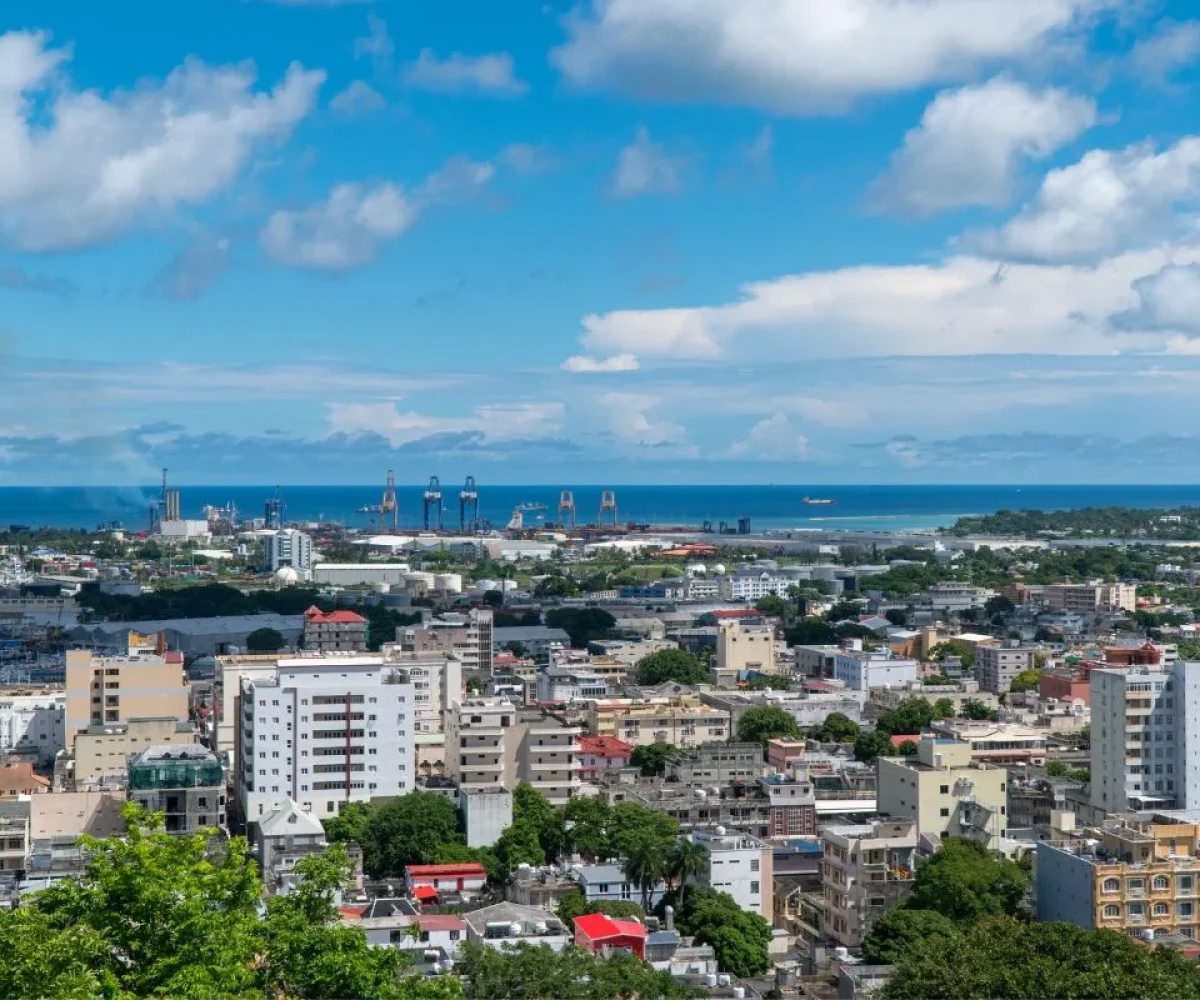
In the centre of Port Louis, between the two red friendship gates on Royal Street, a few minutes on foot from the central market and the bus station. There is no parking in the quarter itself — use Caudan or the Granary and walk.
Chinese traders began settling here in the early nineteenth century, many of them Hakka arrivals from southern China who opened the small general stores still known across Mauritius as boutiques. It is the oldest Chinese quarter in the Indian Ocean region.
Boulettes — steamed dumplings served in broth — are the local order, alongside mine frite, noodle soups, roast pork and bao. The best counters are family-run and unpolished, so bring small notes; many do not take cards.
Friendship gates marking the two ends of the quarter along Royal Street. Between them the streetscape of two-storey shophouses, wholesale traders, herbalists and temples — including the Kwan Tee pagoda — is largely intact.
Monday to Saturday between 9:00 AM and 5:00 PM, ideally mid-morning to early afternoon when the kitchens and shops are trading. Most of the quarter is closed on Sundays, so avoid that day unless a festival is on.
Two: the Chinese Spring Festival, when dragon dances and firecrackers fill the streets, and the Chinatown Food and Cultural Festival, when Royal Street closes to traffic in the evening and turns into an open-air food market. Dates vary each year.