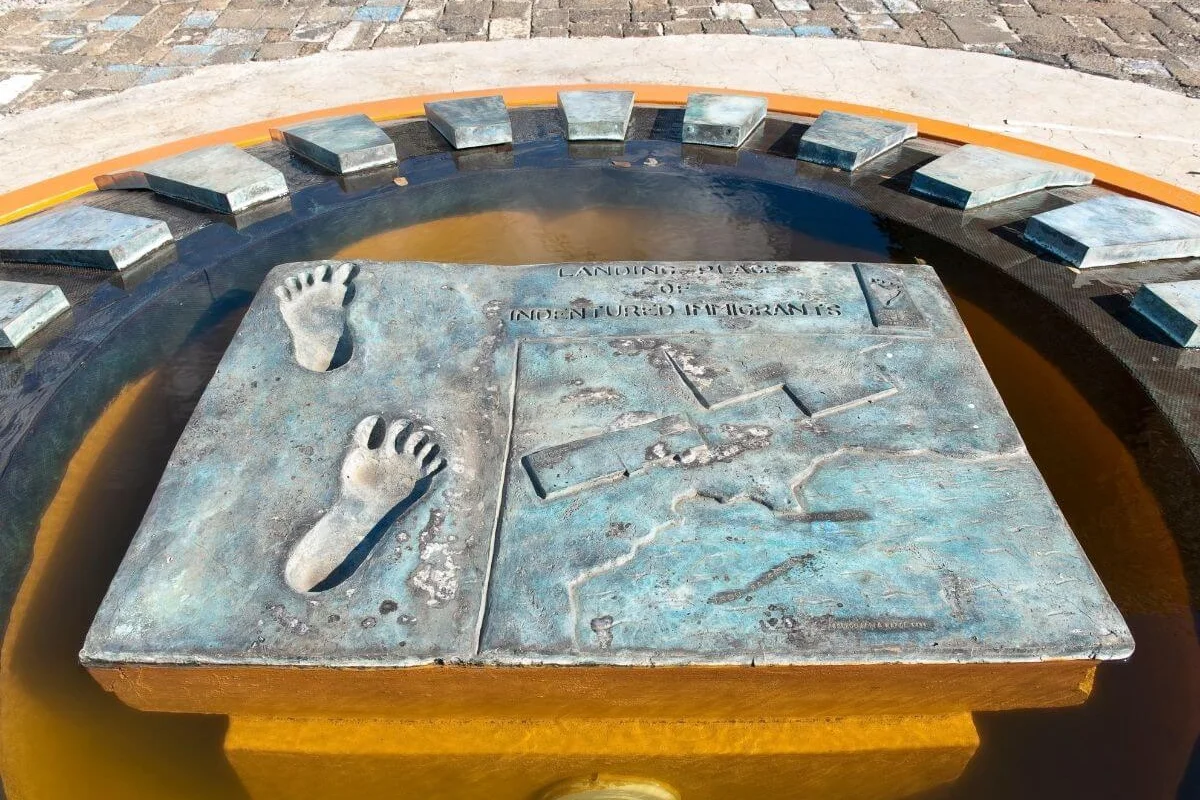
The immigration depot on Trou Fanfaron bay where nearly half a million indentured labourers first set foot in Mauritius — a UNESCO World Heritage Site and the starting point of one of the great migrations in history.
REGION
Trou Fanfaron, Port Louis
BEST TIME
Weekday mornings, when the centre is quiet
ENTRY
Free
TIME NEEDED
1 to 1.5 hours
Why It's Worth the Visit
The sixteen steps where modern Mauritius begins.
The depot was built in 1849 on the harbour at Trou Fanfaron to receive indentured labourers arriving to work the sugar estates. Britain had abolished slavery across its empire in 1834 and chose Mauritius as the first site of what it called the Great Experiment — a test of whether contracted ‘free’ labour could replace enslaved labour on plantations. It worked, from the planters’ point of view, and the model spread: more than two million indentured labourers moved around the world in its wake, of whom Mauritius alone received close to half a million, mostly from India but also from East Africa, Madagascar, China and Southeast Asia.
What survives is a fragment — part of the site was lost to motorway construction in the twentieth century — but it is the fragment that matters: the stone steps up from the quay, the remains of the immigration sheds, the hospital block and the bathing ghats where arrivals were registered, examined and assigned. Because more than two thirds of Mauritians descend from people who passed through here, this is less a monument than a place of family memory; many visitors come looking for a name in the records. The Beekrumsing Ramlallah Interpretation Centre beside the site, opened in 2014, carries the exhibition that makes sense of it all, tracing the recruitment system, the voyage and the conditions on the estates. UNESCO inscribed the site on the World Heritage list in 2006.
Monday to Friday, 9:00 AM – 4:00 PM Saturday, 9:00 AM – 12:00 PM Closed Sundays and public holidays
WHAT TO BRING
Sun protection — much of the site is open ground. If you are tracing family history, bring names and approximate arrival dates; the archives can be consulted on request.
ACCESSIBILITY
The site and interpretation centre are wheelchair accessible, with accessible facilities. There is no parking on site; the nearest options are the Granary and Le Caudan Waterfront, both a short walk away. Guided visits are available on prior booking.
EXPLORE MORE AROUND
Pair Aapravasi Ghat With
Caudan Waterfront
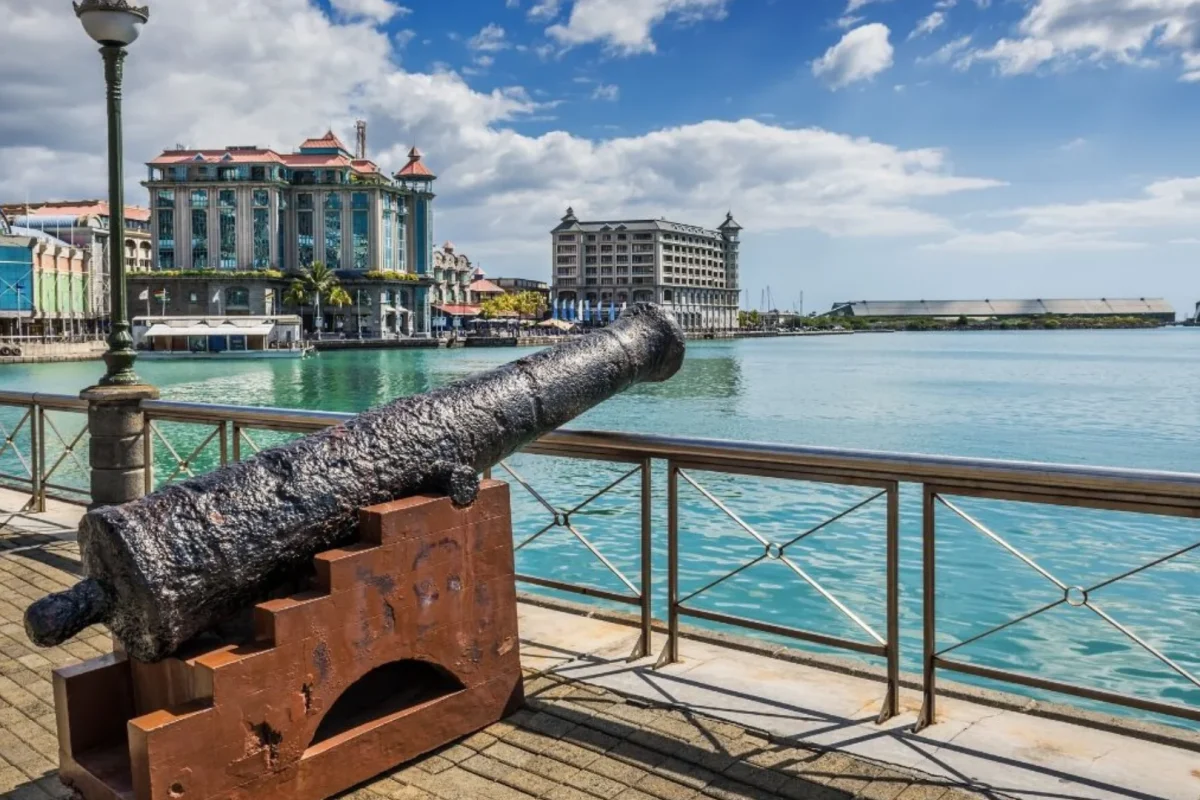
About ten minutes’ walk along the harbour: shops, cafes, the craft market and the Caudan Arts Centre, and the easiest place to park for the Ghat.
Aapravasi Ghat World Heritage Site, Quay Street, Trou Fanfaron, Port Louis, Mauritius
DRIVE TIME
Around 10 minutes’ walk from Caudan Waterfront Approximately 40 minutes from Grand Baie Around 50 minutes from the airport
GETTING THERE
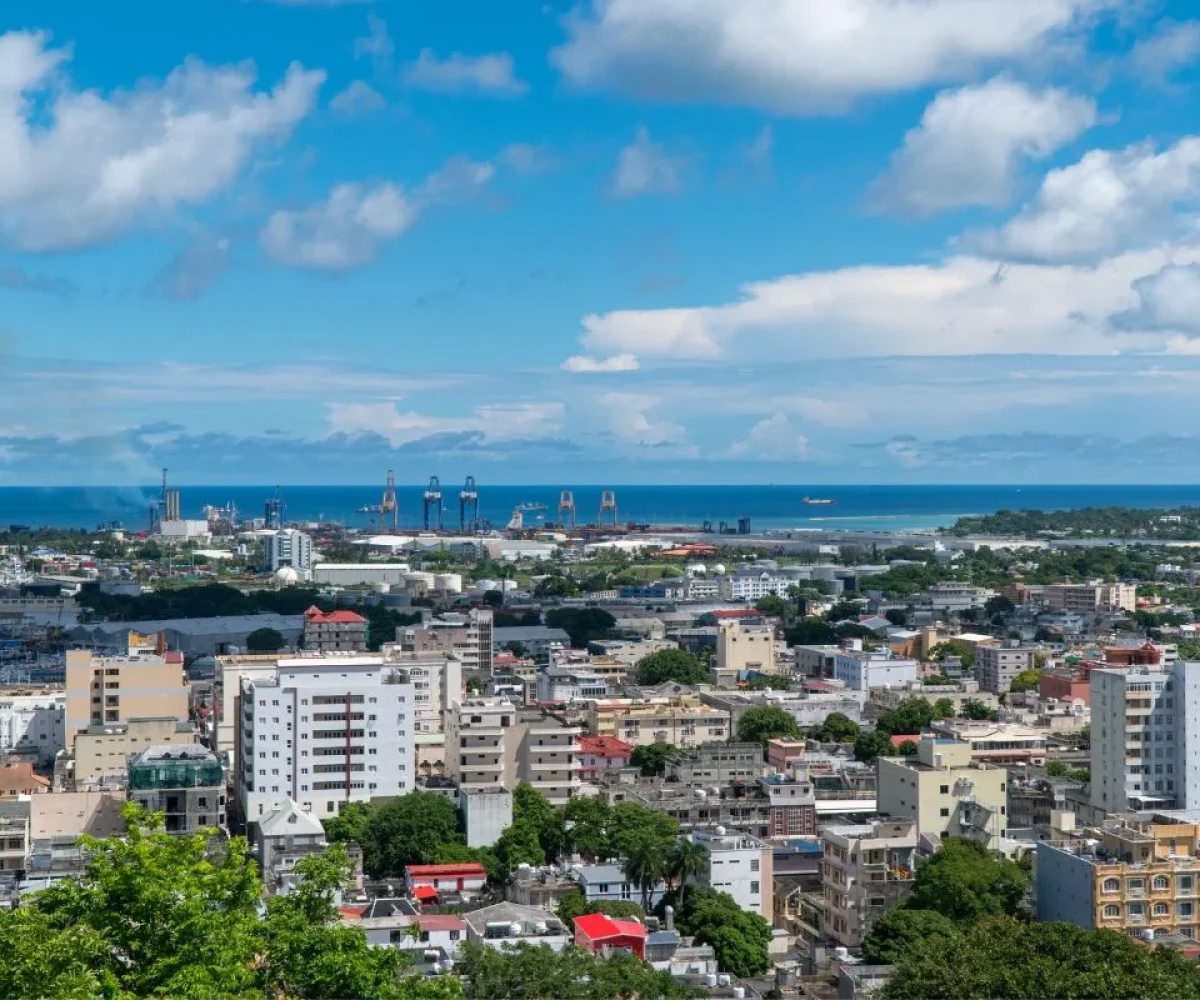
On Quay Street beside the harbour, across from the central market and bus station and a five-minute walk from Le Caudan Waterfront. There is no parking on site — use the Granary or Caudan car parks and walk.
An immigration depot built in 1849 on Port Louis harbour, where indentured labourers arriving to work the sugar estates were landed, registered, medically examined and assigned. The name is Hindi for immigration depot.
It was inscribed in 2006 as the place where the modern indentured labour diaspora began. Mauritius was the first site of the British Great Experiment, and the system tested here spread worldwide, moving more than two million people.
Records of arrivals were kept in detail and are held by the Aapravasi Ghat Trust Fund and the National Archives. Many Mauritian families have traced a name and an arrival date this way; ask at the interpretation centre about consulting the archives.