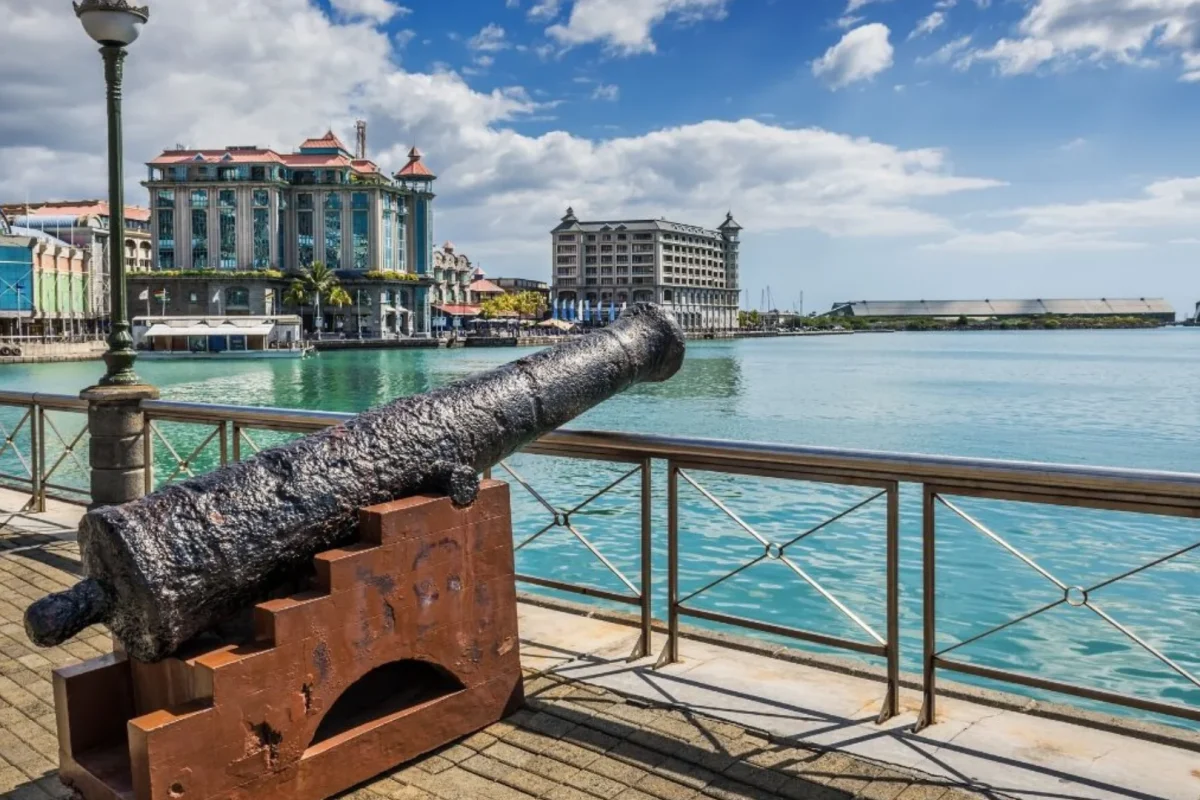
The black basalt fort on the hill behind Port Louis, built by the British in the years after abolition — and now the best free viewpoint over the capital, the harbour and the Moka range.
REGION
Petite Montagne, Port Louis
BEST TIME
Late afternoon, for light over the harbour
ENTRY
Free
TIME NEEDED
45 minutes to 1 hour
Why It's Worth the Visit
A fortress that never fired a shot, above the whole city.
Fort Adelaide was built between 1834 and 1840 on Petite Montagne, the volcanic hill directly behind Port Louis, and named after Queen Adelaide, wife of William IV. The British had two reasons for putting it there: to cover the harbour against attack, and — more candidly — to keep watch over a capital where a small British administration governed a far larger French planter class and a population unsettled by the abolition of slavery in 1835. It was the only one of four planned forts above the city ever finished, and it never saw action.
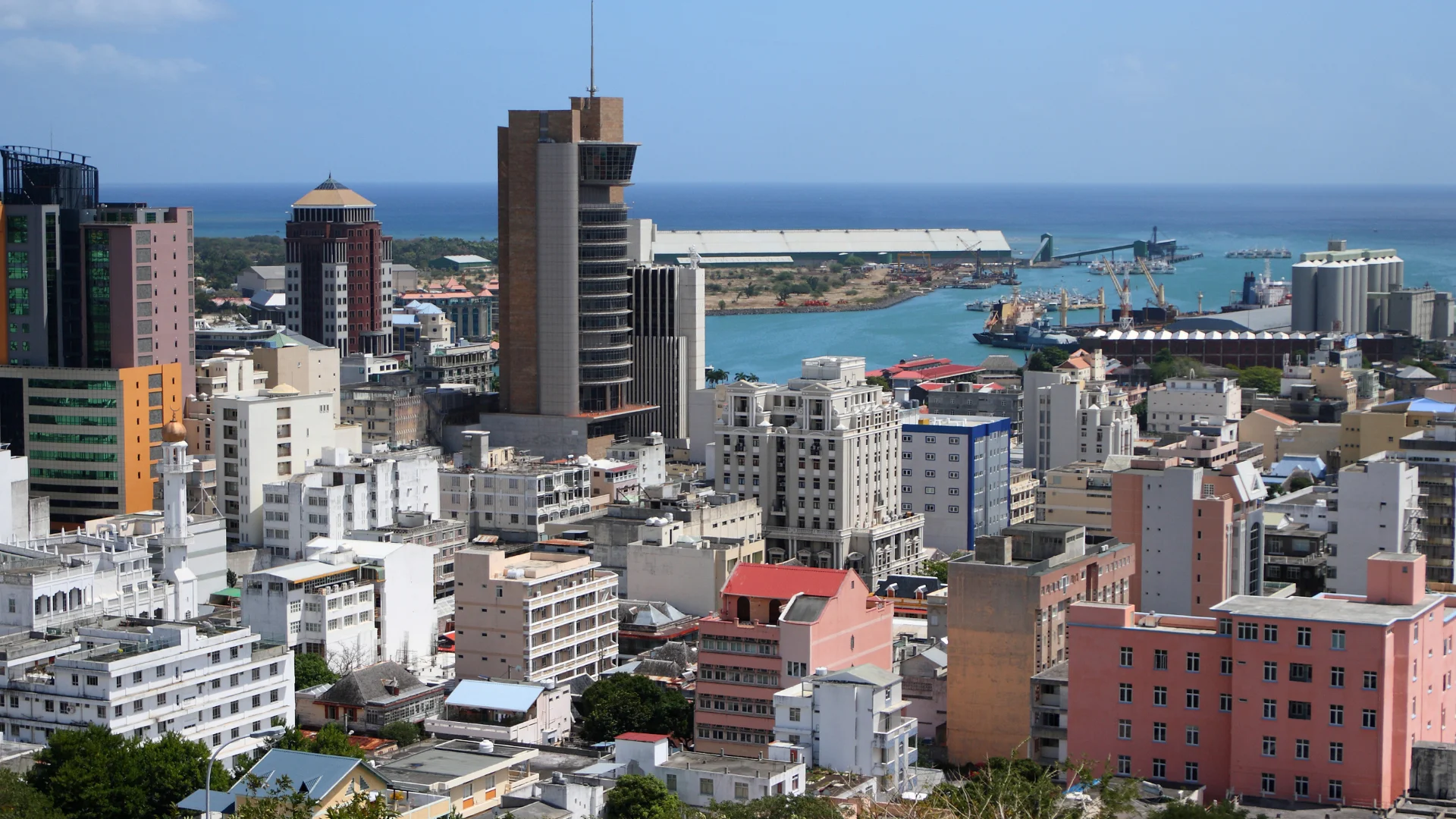
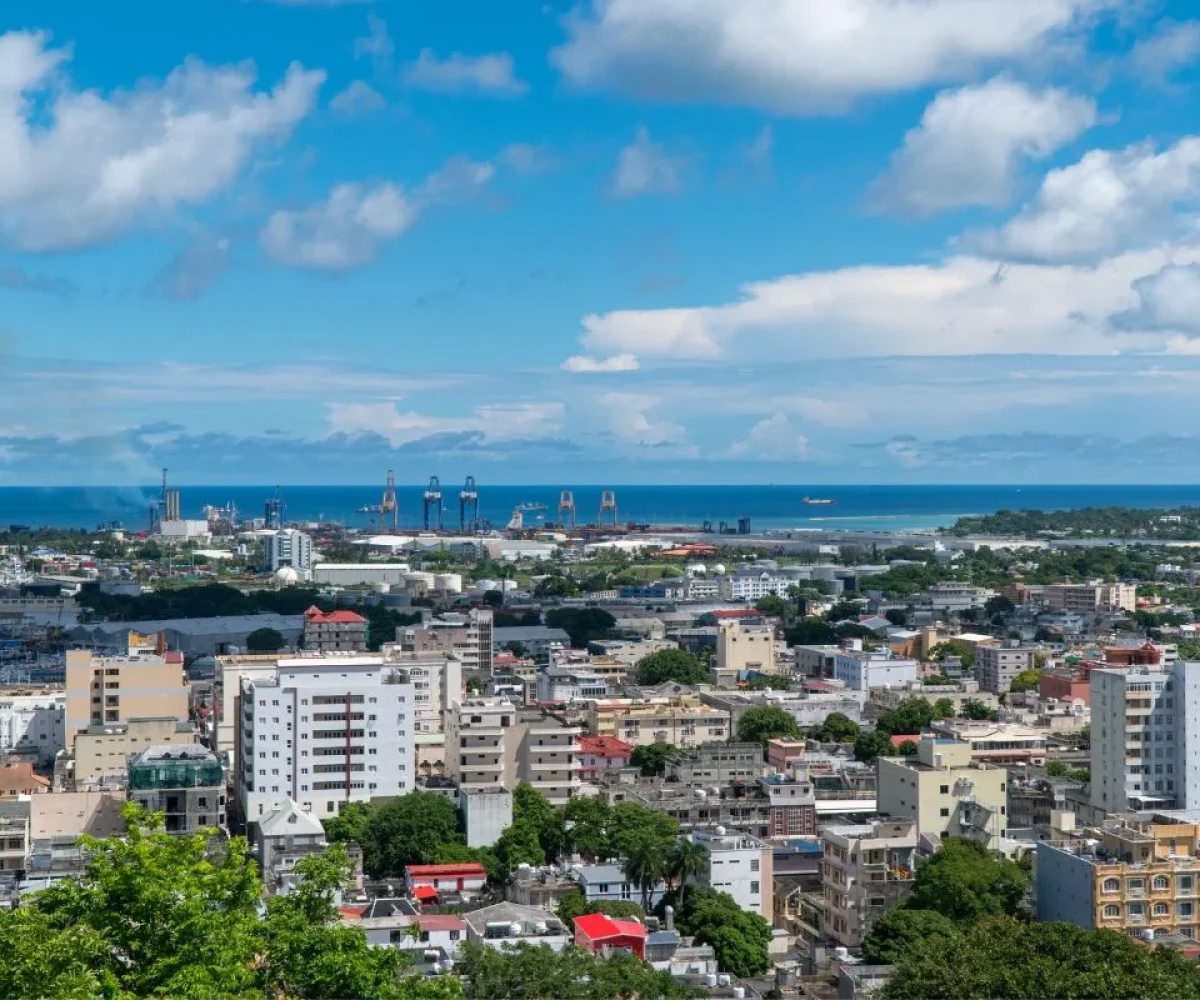
The walls are cut from black basalt and have weathered to the colour of old pewter, with a broad parade ground inside where the trade wind funnels between the ramparts. What draws most visitors now is the view: from the walls you look straight down over the roofs of Port Louis to the container terminal and the cruise quay, across to Champ de Mars — the oldest racecourse in the southern hemisphere — and out to the Moka mountains behind. Late afternoon gives the best light and the least heat; there is almost no shade up here at midday. The fort is also used for concerts and cultural events, and a few souvenir stalls operate near the gate.
Open daily during daylight hours Free access, no ticket office Best in late afternoon
WHAT TO BRING
Water, a hat and sunscreen — the parade ground and ramparts are completely exposed. Closed shoes help on the uneven stone.
ACCESSIBILITY
A steep, narrow road climbs to a small car park at the gate; the surface inside is uneven basalt with steps up to the ramparts, so it is not well suited to wheelchairs. There is little shade and no cafe on site.
EXPLORE MORE AROUND
Pair La Citadelle With
Champ de Mars
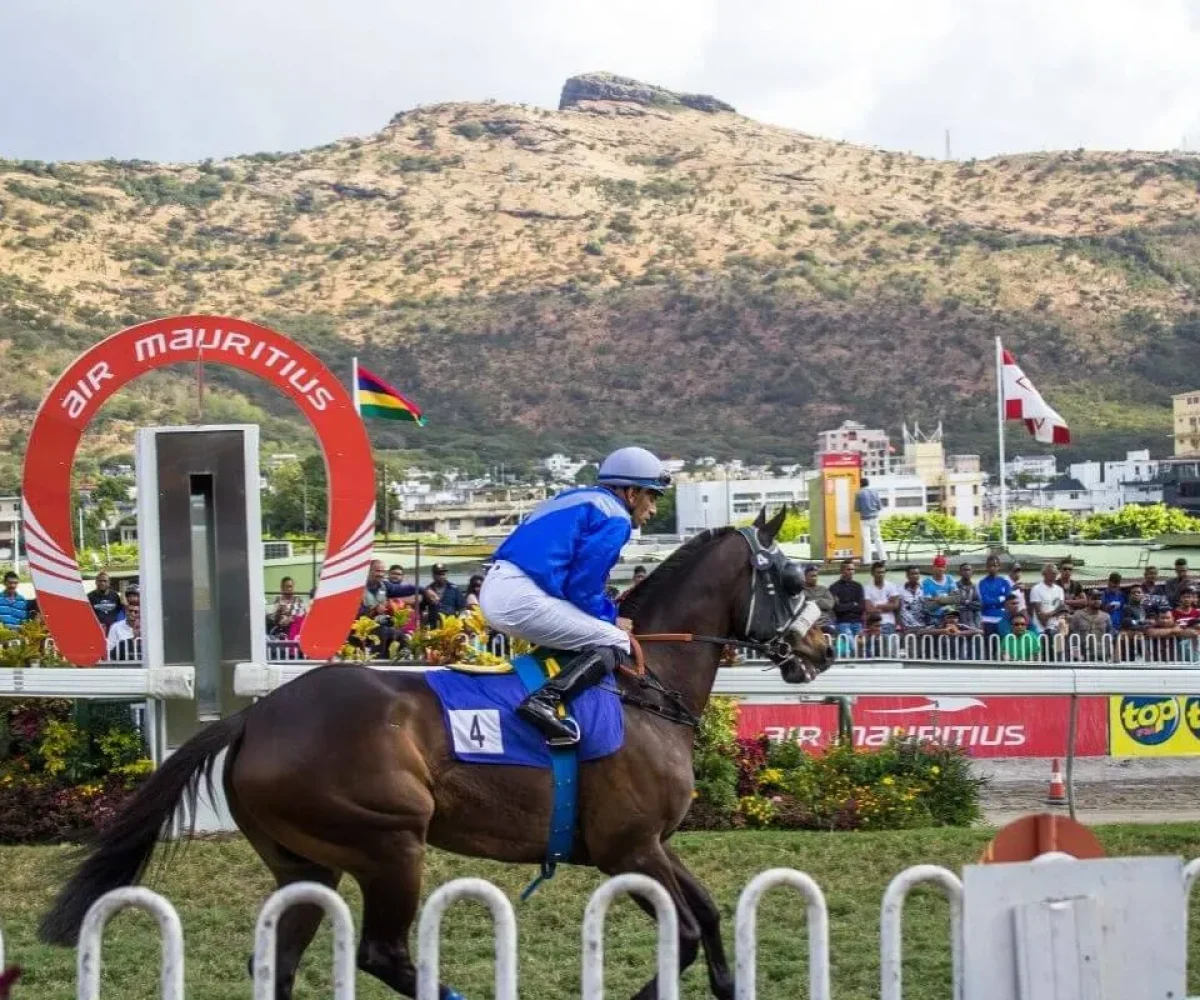
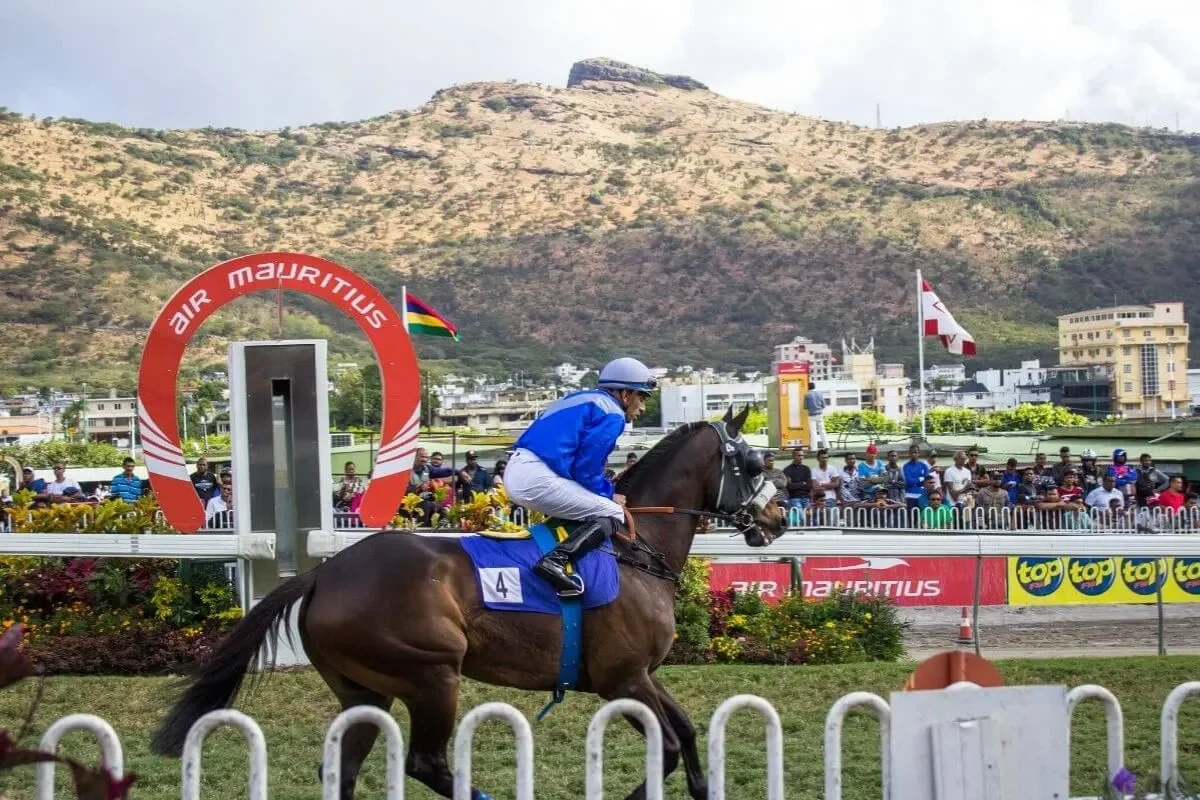
Directly below the fort: the oldest racecourse in the southern hemisphere, running since 1812, and loud with the whole island on race days.
Fort Adelaide (La Citadelle), Petite Montagne, Port Louis, Mauritius
DRIVE TIME
~20 min walk from Caudan Waterfront ~40 min from Grand Baie ~50 min from the airport
GETTING THERE
A short, steep drive up from the Champ de Mars side of town, with a small car park at the gate. On foot it is a 20 to 30 minute uphill walk from the waterfront.
Between 1834 and 1840, by the British, and named after Queen Adelaide. It was intended to defend the harbour but also to give the colonial administration a commanding position over Port Louis in the unsettled years around the abolition of slavery.
Almost the whole capital: the rooftops of Port Louis, the container port and cruise quay, the Champ de Mars racecourse directly below, and the Moka mountain range behind the city.
Late afternoon, when the light rakes across the harbour and the heat has dropped. There is virtually no shade on the parade ground, so midday is uncomfortable.
Yes — it is roughly 20 to 30 minutes uphill from the waterfront through the Champ de Mars area. Driving is easier: a steep, narrow road leads to a small car park at the gate.