Home / Experience Mauritius / Unveiling the Paradise / The Underwater Waterfall
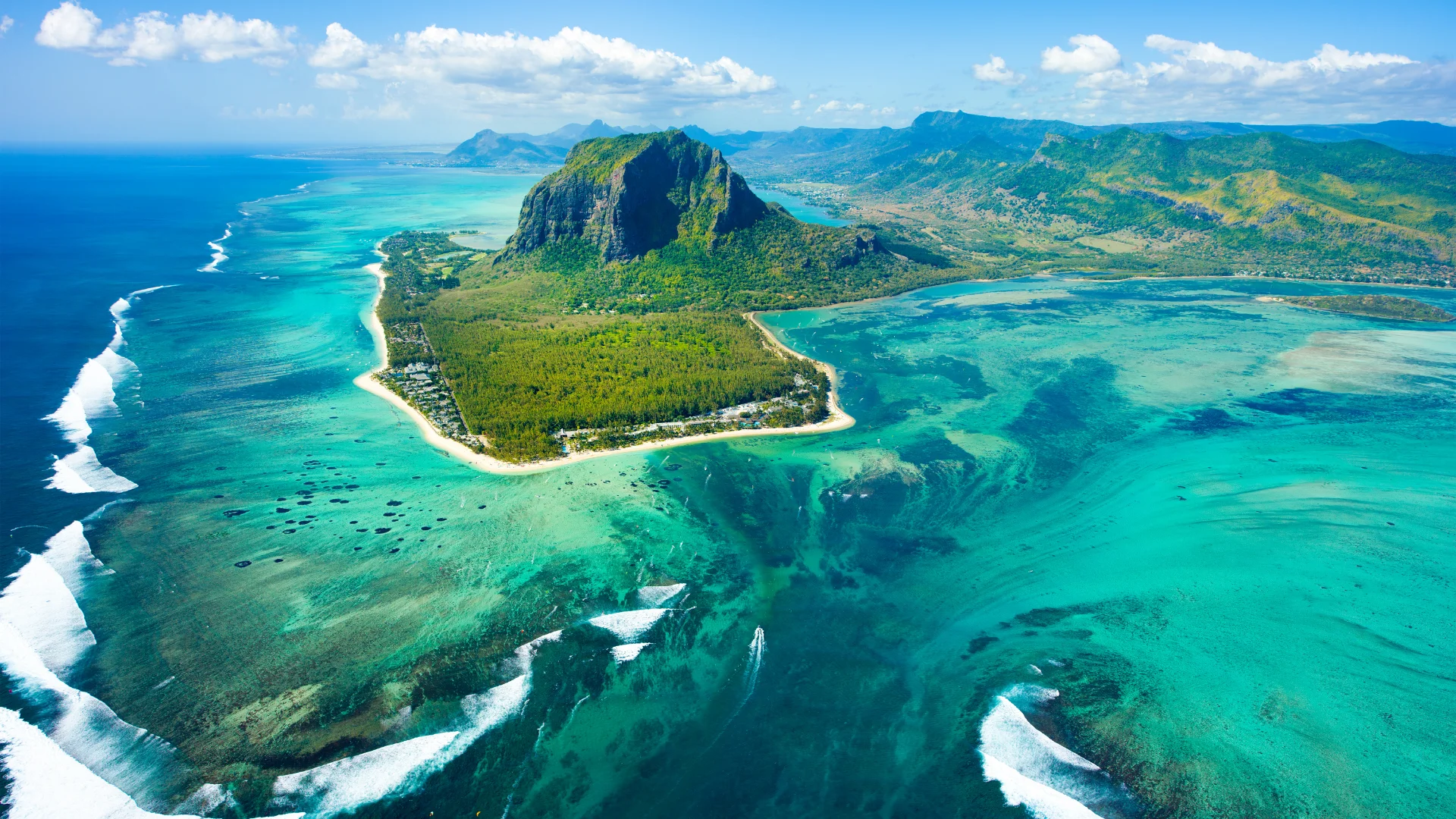
Off the tip of the Le Morne peninsula, sand pouring over the edge of the ocean shelf creates the illusion of a vast waterfall plunging beneath the sea — visible only from the air.
Mauritius sits on the Mascarene submarine plateau, a shallow shelf lying no more than about 150 metres below the surface. At the edge of that shelf, just off the Le Morne peninsula, the seabed falls away into water thousands of metres deep. Ocean currents drag fine sand and silt from the lagoon out across that edge and over the drop, and from several hundred metres up the moving sediment reads as a cascade pouring into an abyss. It is erosion, photographed from the right angle — which makes it no less extraordinary to look at.
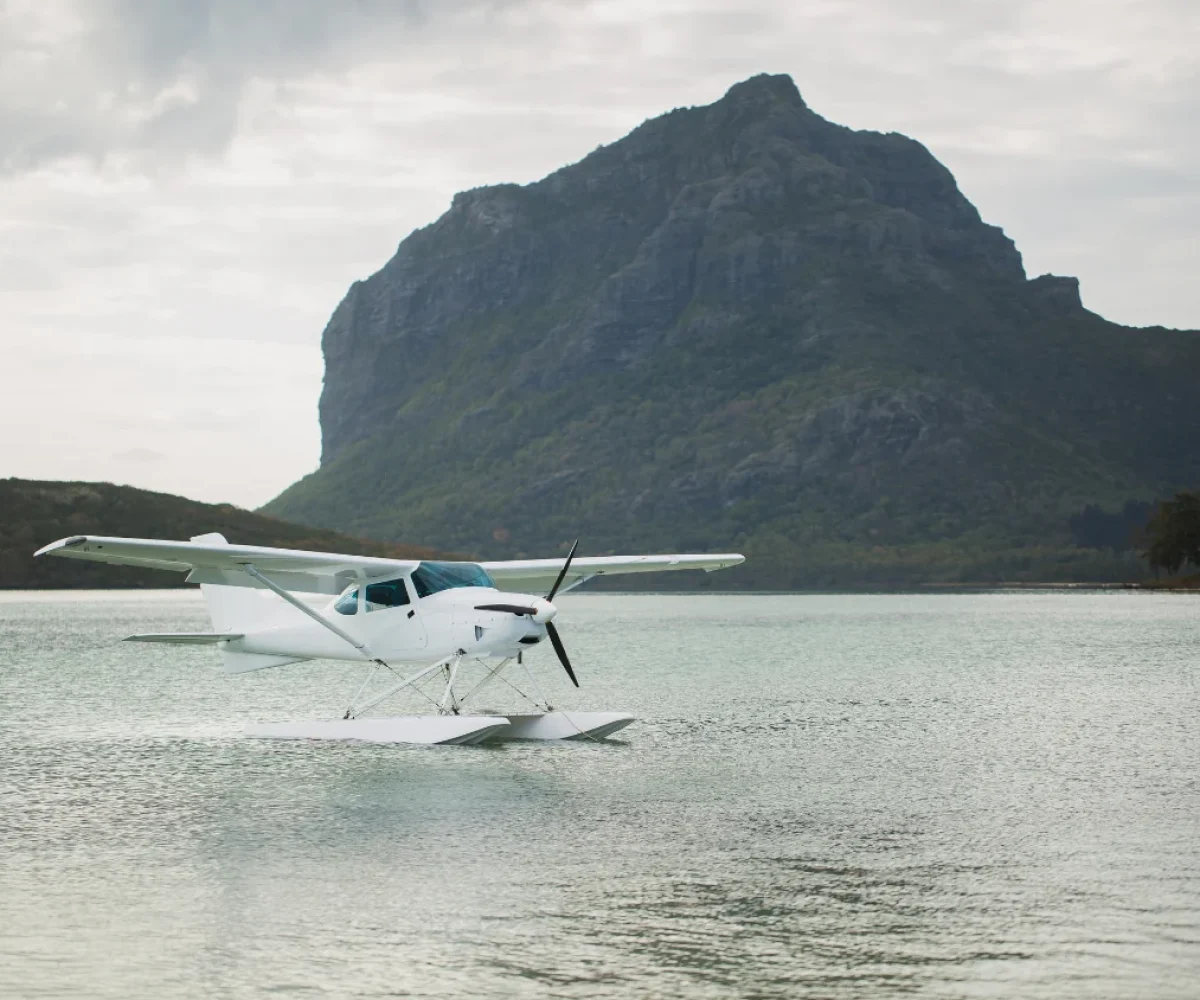
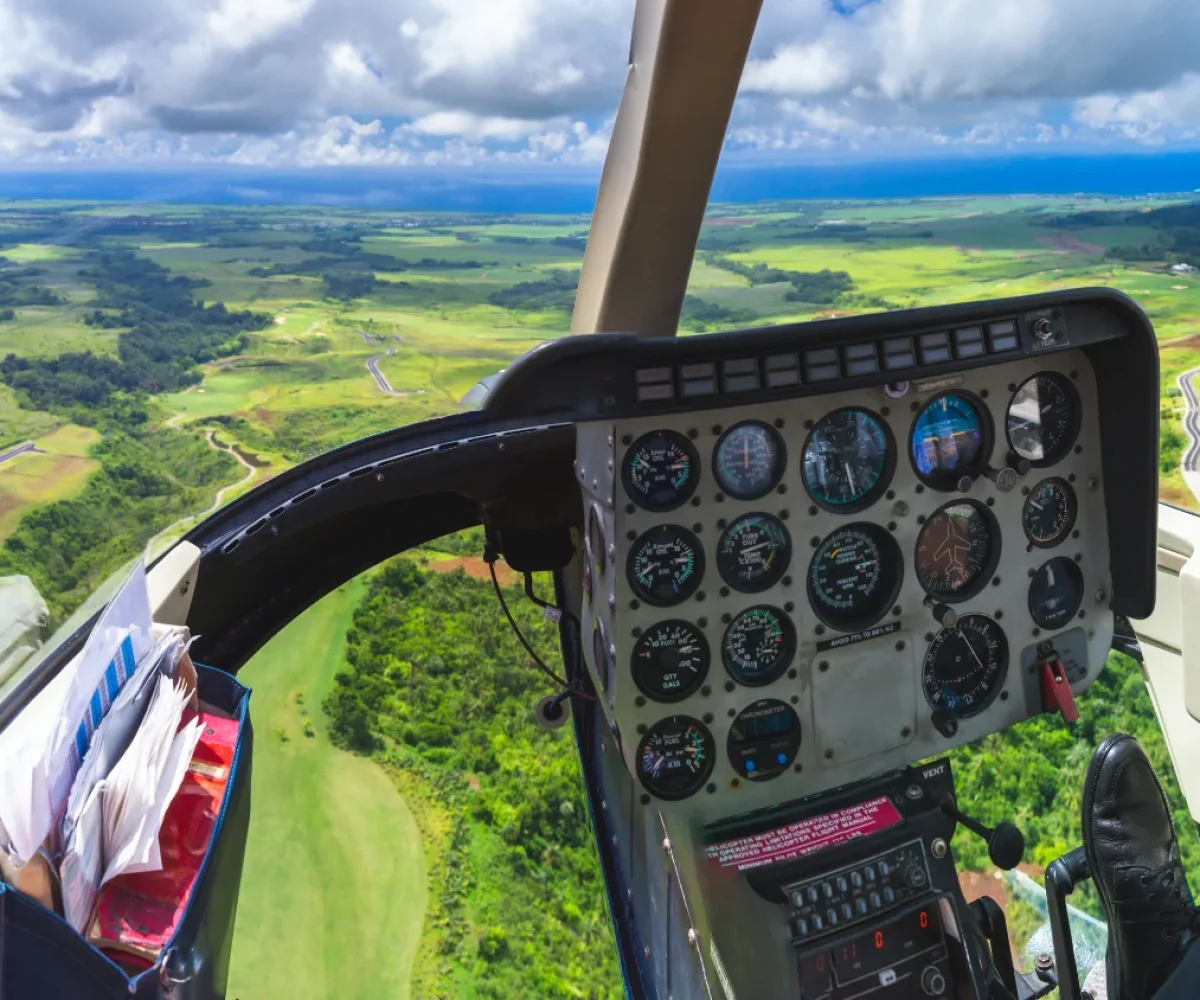
The one thing worth being clear about before you plan around it: you cannot see this from the ground. From Le Morne public beach, from a boat, even from the summit of the mountain, you see only bands of turquoise and deep blue. The illusion depends entirely on altitude and angle, so it is seen from a helicopter or from a seaplane, both of which operate over the peninsula — seaplane flights leave from La Prairie beach near Le Morne, and helicopter tours run from several points on the island. Flights are short, from around fifteen minutes for a focused seaplane run to forty-five minutes for a wider island circuit taking in Chamarel and the south-west. Conditions matter: go when the sun is high and the water clear, since cloud and chop flatten the contrast that creates the effect.
Visible from the air only
Flights generally run in daylight hours
Weather-dependent — book flexibly
Sunglasses, a camera without a bulky lens and a light layer. Flights are often weight-restricted, so travel light and check the operator’s limits when booking.
Access depends on the aircraft: seaplanes involve a short walk and a step down onto a float, helicopters a low step up. Both operators can advise on mobility and on weight and age limits. Cancellations for weather are common — leave a spare day.
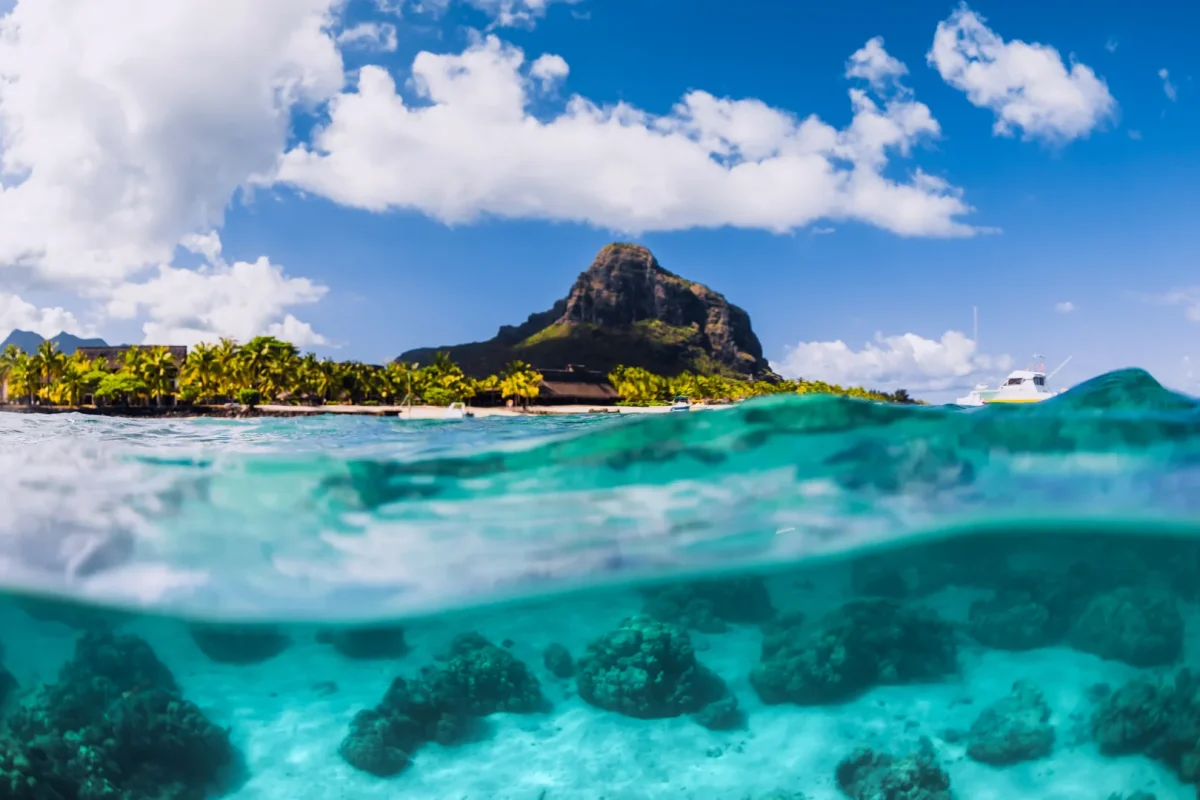
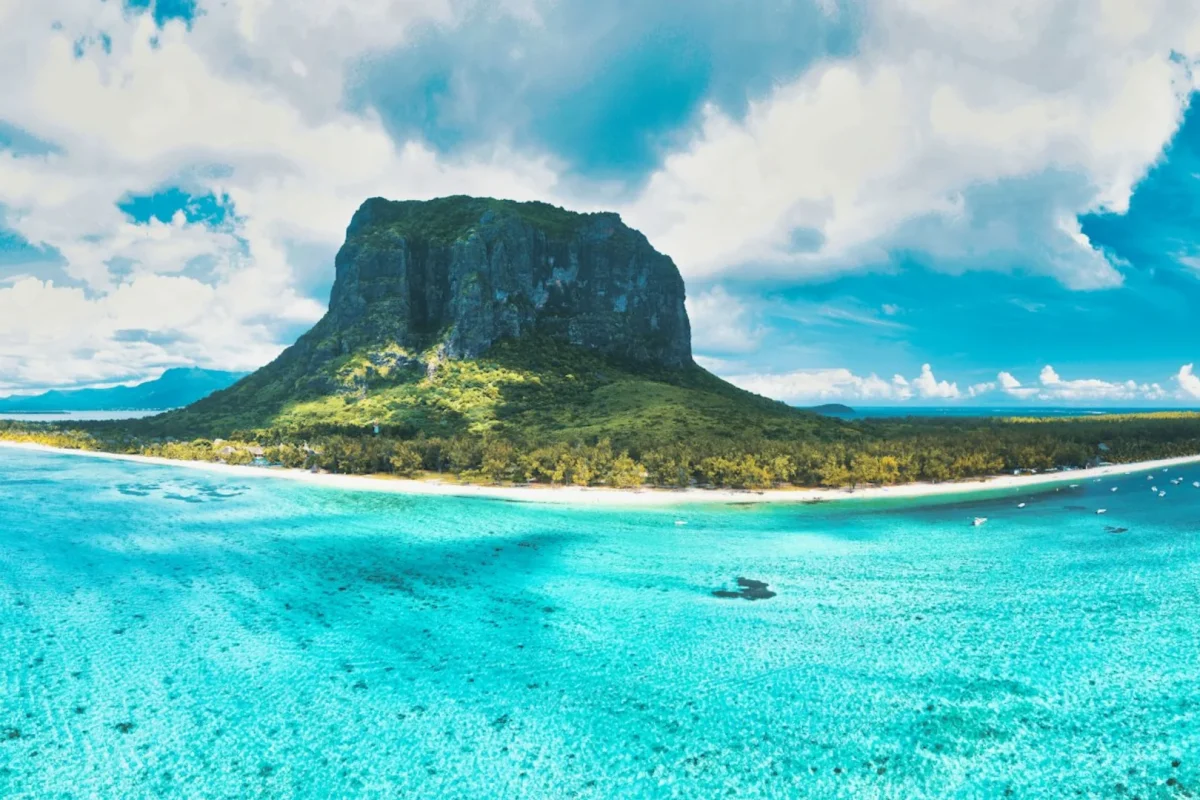
The mountain directly above the illusion: a 556-metre monolith, a UNESCO World Heritage cultural landscape, and a hike with the whole lagoon below you.
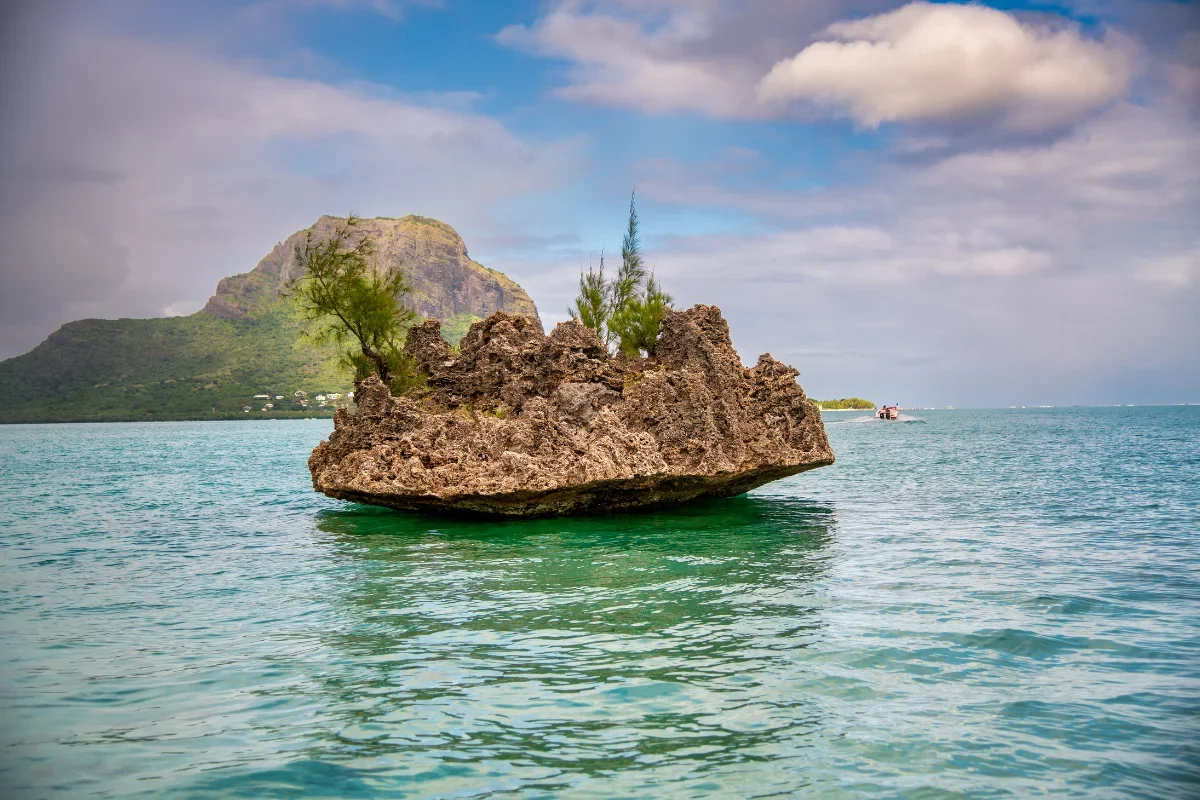
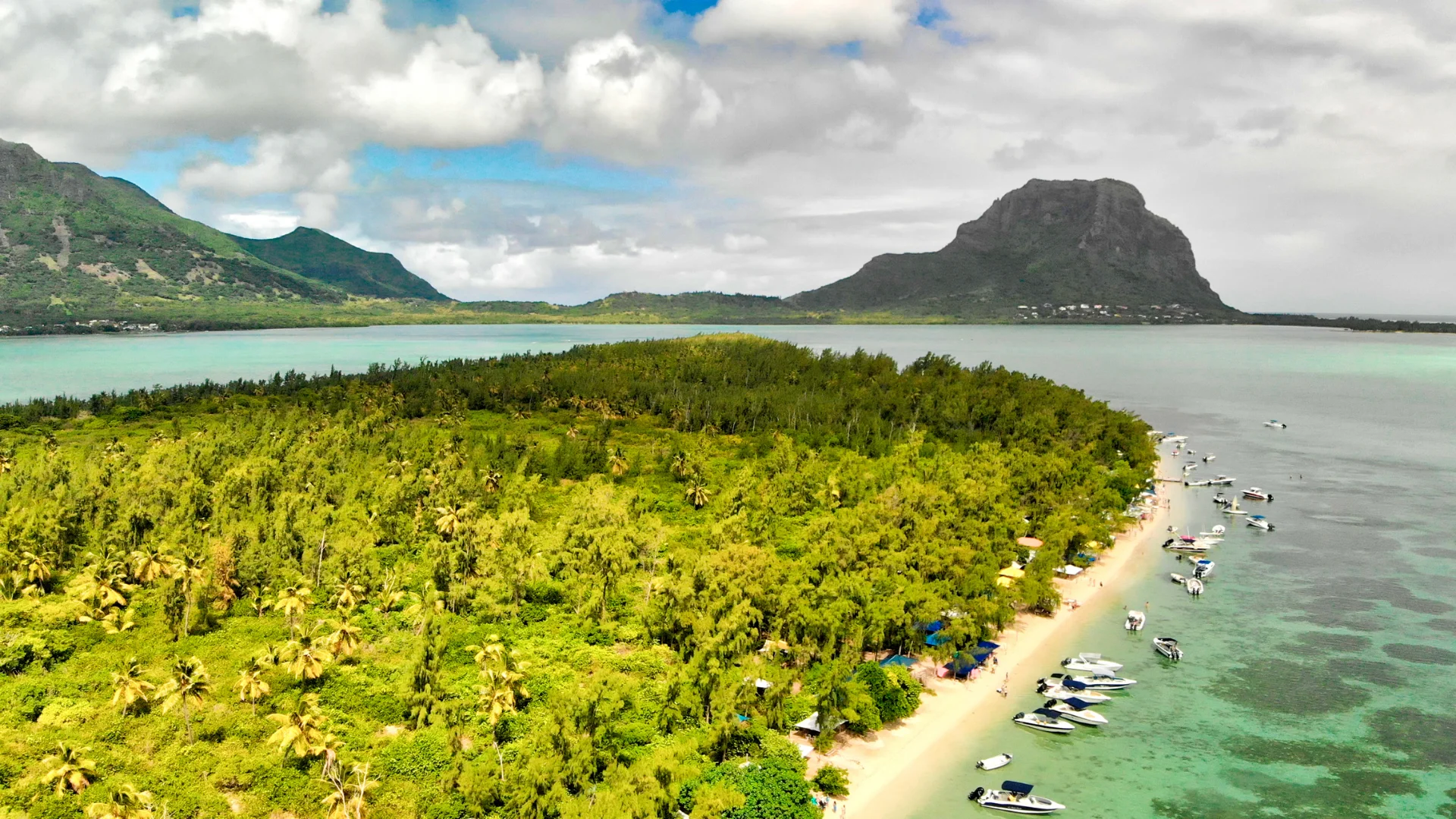
In the same lagoon, at sea level: a pale outcrop standing alone in shallow turquoise water, reached on a catamaran or speedboat trip.
Below the mountain and beside the flight path: shallow turquoise water, casuarina shade and the island’s best-known kitesurfing conditions.
Off the Le Morne peninsula,
south-west coast,
Rivière Noire District, Mauritius
Around 15 minutes’ flight from La Prairie beach
Approximately 1 hr 15 min drive from Port Louis to Le Morne
Around 45 minutes from Flic-en-Flac to Le Morne
There is no land access. Seaplane flights depart from La Prairie beach near Le Morne; helicopter tours run from several bases and can usually collect from hotels. Book direct with a licensed operator and confirm the route covers the peninsula.
No — it is an optical illusion. Sand and silt are carried by ocean currents over the edge of the shallow submarine shelf off Le Morne, where the seabed drops into very deep water. From above, the moving sediment looks like a cascade pouring into an abyss.
No. From sea level you see only bands of turquoise and deep blue. The effect depends entirely on height and angle, so it is visible only from the air.
By seaplane or helicopter over the Le Morne peninsula. Seaplane flights depart from La Prairie beach nearby; helicopter tours run from several bases and are generally longer and more expensive.
From around fifteen minutes for a focused seaplane run to about forty-five minutes for a wider island circuit. Go when the sun is high and the water clear — cloud and rough water flatten the colour contrast the illusion depends on.
Flights are cancelled in poor visibility or strong wind, and rescheduling at short notice is common. Book early in your stay and leave a spare day rather than saving it for your last morning.