Home / Culture & Traditions / Hindu Traditions / Diwali
The night the whole island lights up. Clay lamps along every wall, homemade sweet cakes carried between neighbours of every faith, and one of the most shared celebrations in the Mauritian year.
Diwali — Divali in Mauritian usage, and Deepavali in Sanskrit — is the festival of lights, marking the victory of light over darkness and knowledge over ignorance. It falls on the new moon of the Hindu month of Kartik, which places it in October or November; in 2026 it lands on Sunday 8 November. Two stories sit behind it: the return of Rama to Ayodhya after fourteen years of exile and his defeat of Ravana, and the worship of Lakshmi, goddess of wealth and prosperity, who is said to visit homes that are clean and lit.
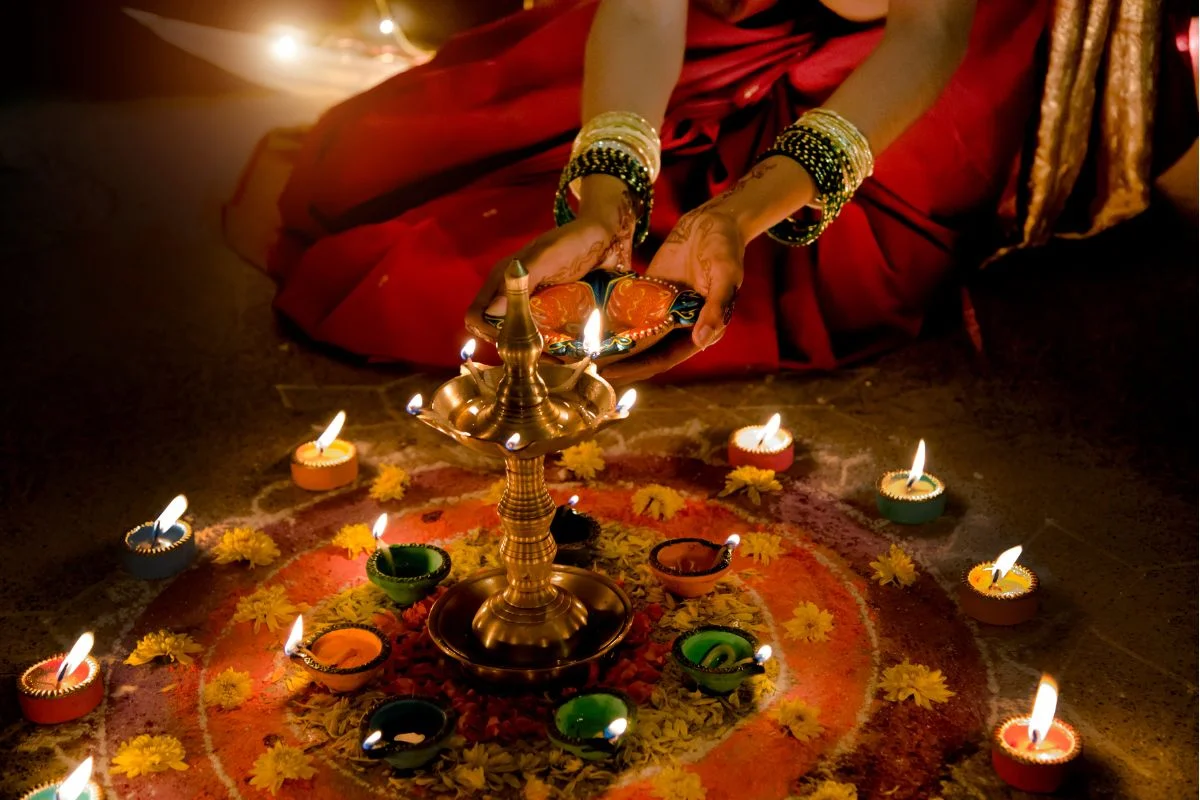
What makes Diwali distinctive in Mauritius is how far beyond the Hindu community it reaches. Hindus make up close to half the population and the festival is a national public holiday, but the defining custom here is the exchange of sweets: households spend days making gateau patate, barfi, ladoo, napolitaine and rasgulla, and children carry plates of them to neighbours regardless of religion. Creole, Muslim and Chinese families receive them and often return the gesture at their own festivals. In the days before, houses are cleaned and repainted, rangoli patterns are drawn at doorways, and rows of diyas — small clay oil lamps — are set along walls, verandas and garden paths. Electric lights have taken over on many houses, but the villages of the centre and south still do it the old way, and driving those roads after dark on Diwali night is the single best way to see it.
Homes are cleaned and decorated, rangoli is drawn at doorways, diyas are lit at dusk and prayers are offered to Lakshmi. Sweets are exchanged between neighbours, and fireworks go up across the island after dark.
If you are offered sweets, accept them — refusing is the only real misstep. Dress modestly at temples, remove your shoes before entering, and ask before photographing families or anyone at prayer.
Diwali is a public holiday: most shops, offices and some attractions close, and roads are busy the evening before as families travel home. Book restaurants ahead, and expect fireworks late into the night.
The real Diwali. Streets of houses outlined in lamps and lights, whole villages competing quietly with one another — the centre and south are the strongest. Drive slowly after sunset and take the back roads.
Bagatelle, Phoenix, Cascavelle and the rest go all out with lamp displays, rangoli installations and cultural performances in the weeks before — the easiest place to see it if you are not driving.
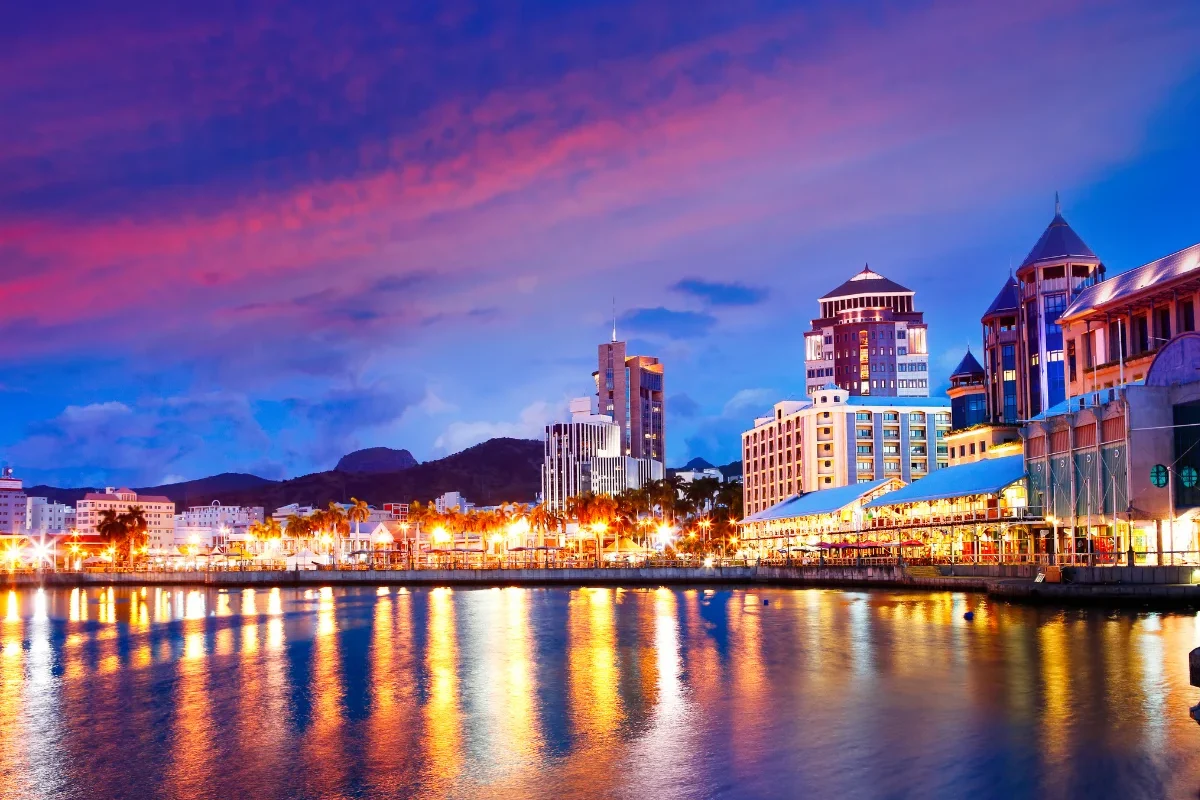
Caudan lights up along the harbour, with decorations, evening crowds and the water throwing it all back — the most photogenic version of the festival in the capital.
It falls on the new moon of the Hindu month of Kartik, so the date shifts each year between October and November. In 2026 Diwali is on Sunday 8 November, confirmed as a national public holiday in the government’s published calendar.
Yes. Most shops, offices, banks and some attractions close for the day, and roads are busy the evening before as families travel home. Plan your itinerary and restaurant bookings around it.
It is the custom that defines Diwali in Mauritius. Households spend days making gateau patate, barfi, ladoo, napolitaine and rasgulla, and plates go to neighbours regardless of religion — a gesture usually returned at Eid, Chinese New Year or Christmas.
After dark, and mostly in residential neighbourhoods — drive the village roads of the centre and south, where houses are outlined in lamps and lights. The shopping malls put on large displays in the run-up, and Le Caudan Waterfront in Port Louis is the most photogenic spot in the capital.
Yes, and you will often be invited to. Accept sweets if they are offered, dress modestly at temples and remove your shoes before entering, and ask before photographing people at prayer. A cooking class in the days beforehand is a good way in.