Maha Shivratri in Mauritius

Hundreds of thousands of pilgrims in white, walking from every corner of the island to a crater lake in the highlands — the largest Hindu gathering outside India, and the most extraordinary thing that happens in the Mauritian year.

WHEN
February or March – 15 February in 2026
WHERE
Grand Bassin, and roads across the island
PUBLIC HOLIDAY
Yes – a national public holiday
BEST SEEN
The days of walking before the night itself
What Maha Shivratri Means Here

A whole island on foot, walking to the same lake.

Maha Shivratri — the great night of Shiva — falls on the fourteenth night of the waning moon in the Hindu month of Phalguna, which places it in February or March; in 2026 it is on Sunday 15 February, a national public holiday. Devotees fast, keep a night vigil and pour water and milk over the Shiva lingam, an act tied to the myth of the churning of the ocean, when Shiva swallowed the poison that rose from it and had to have his throat cooled.

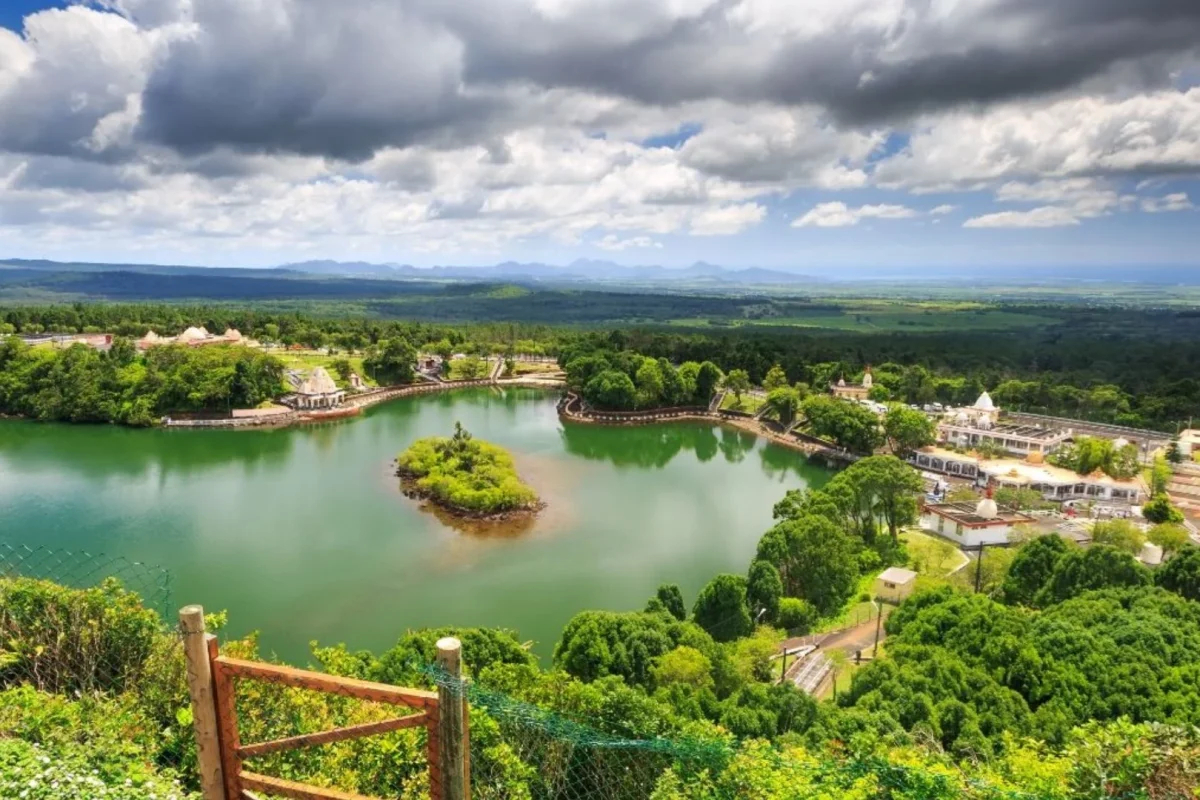
In Mauritius the festival takes a form found nowhere else. Over several days beforehand, pilgrims dressed in white walk to Ganga Talao at Grand Bassin — a crater lake in the Savanne highlands believed to be linked to the waters of the Ganges — many of them from the far north, covering fifty kilometres or more on foot. They carry kanwars, light wooden arches decorated with flowers, mirrors and coloured paper, some so large they need several people. Roadside stands run by families and community groups hand out food and water to anyone walking, free, regardless of who they are. Water is collected at the lake and carried home to be offered at local temples. Estimates put the number of participants in the hundreds of thousands, which makes it the largest Hindu gathering outside India.

Devotees at Grand Bassin during the Maha Shivratri pilgrimage in Mauritius

Good to know.

WHAT HAPPENS

Days of walking to Grand Bassin in white, carrying decorated kanwars, followed by fasting, a night vigil and offerings of water and milk to the Shiva lingam. Water from the lake is carried home for local temples.

ETIQUETTE FOR VISITORS

Dress modestly with shoulders and knees covered, remove your shoes before entering any temple, and ask before photographing pilgrims. Accept food if it is offered at a roadside stand — it is meant for everyone.

DRIVING DURING THE FESTIVAL

Roads across the island carry pilgrims on foot for several days, often at night. Drive slowly, expect lane closures and long delays near Grand Bassin, and avoid the plateau roads entirely on the main day unless you are going for the festival.

WHERE TO SEE IT

Following the Pilgrimage

Grand Bassin

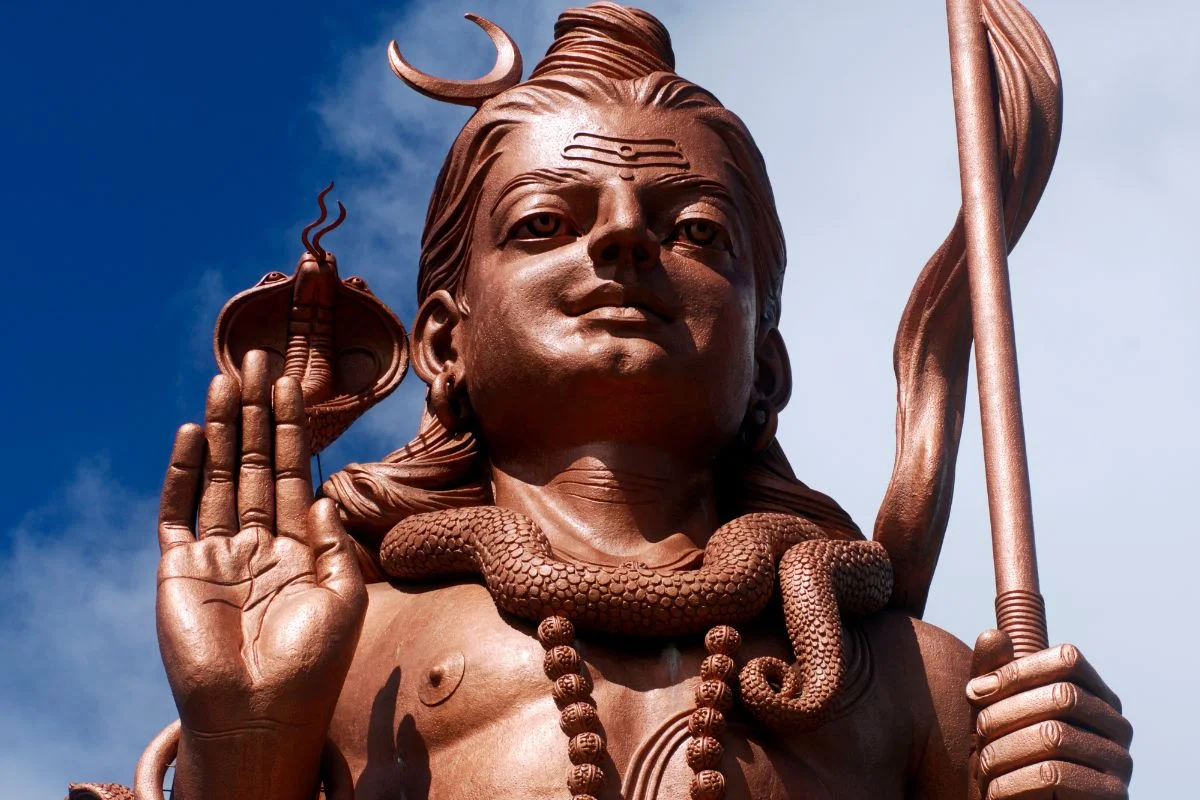
The destination. Ganga Talao, its temples and the two colossal statues at the entrance, packed with pilgrims and offerings through the festival period.

The Pilgrimage Roads

Arguably the better view. Columns of pilgrims in white on every main road, kanwars lit at night, and roadside stands feeding anyone who passes.

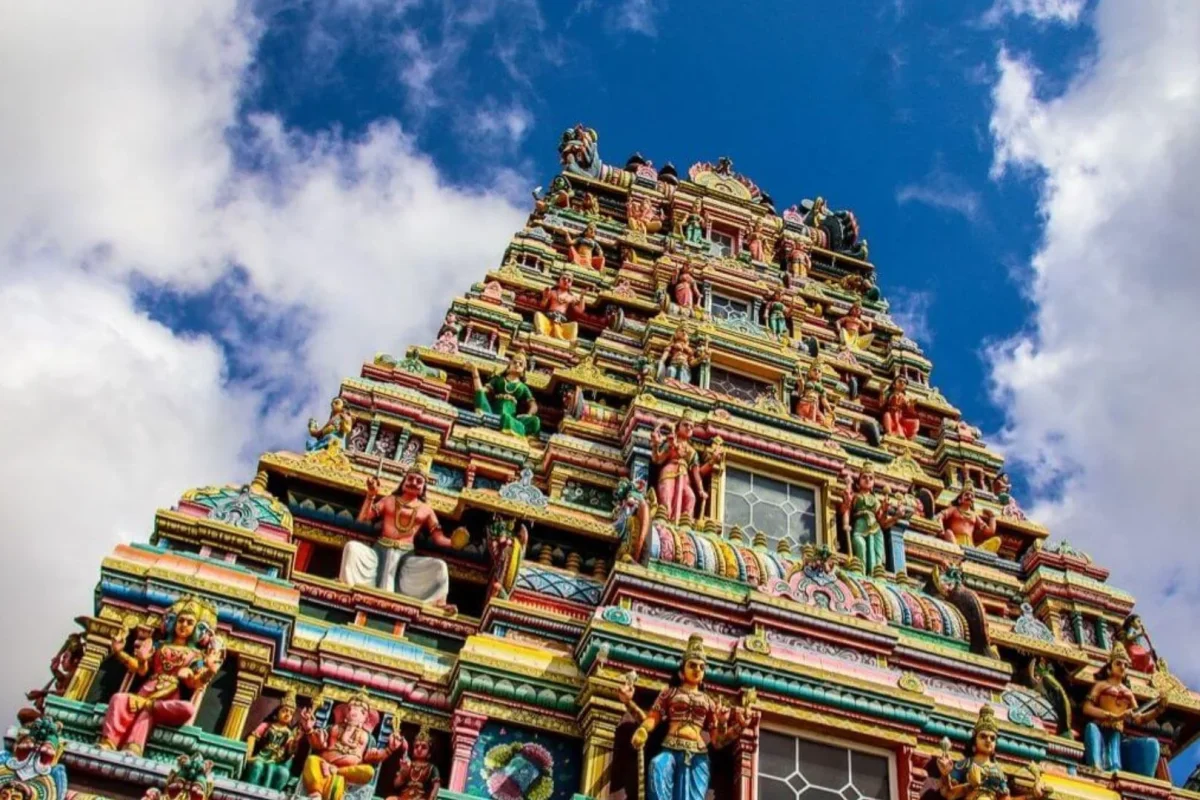
Village Temples

Where the water ends up. Local temples fill on the night itself as pilgrims return and make their offerings closer to home.

More Hindu Festivals in Mauritius

MARCH
GOOD TO ASK

Frequently asked questions.

On the fourteenth night of the waning moon in the Hindu month of Phalguna, so February or March. In 2026 it falls on Sunday 15 February, listed as a national public holiday. The walking begins several days beforehand.

Ganga Talao is believed to be connected to the waters of the Ganges. Pilgrims walk there to collect holy water and offer it to Shiva, many covering fifty kilometres or more on foot from the north of the island.

A light wooden arch carried by pilgrims, decorated with flowers, mirrors, coloured paper and images of deities. Some are small enough for one person; others are elaborate structures needing several carriers and weeks of building.

Yes, and it is an extraordinary thing to witness. Dress modestly, remove your shoes at temples, ask before photographing pilgrims, and accept food if it is offered at a roadside stand — it is given freely to everyone.

Significantly. Pilgrims walk main roads across the island for several days, often after dark, and there are lane closures and heavy congestion around Grand Bassin. Drive slowly, allow far more time than usual, and avoid the plateau roads on the main day unless the festival is your destination.