The Telugu new year, marked with a scrubbed house, mango leaves at the door, new clothes and a single dish built from six tastes — a quiet, domestic festival that says more about the year ahead than any fireworks could.
WHEN
March or April – 19 March in 2026
WHERE
Homes and Telugu temples island-wide
PUBLIC HOLIDAY
Yes – a national public holiday
BEST SEEN
Morning prayers and the family table
What Ougadi Means Here
A new year that tastes of all six things at once.
Ougadi — Ugadi in India — marks the first day of the new year in the Telugu lunisolar calendar, falling on the first day of the month of Chaitra. The name comes from yuga and adi: the beginning of an age. In Mauritius it is observed by the Telugu community, descendants of indentured labourers from the Andhra coast, and it is a national public holiday; in 2026 it falls on Thursday 19 March.
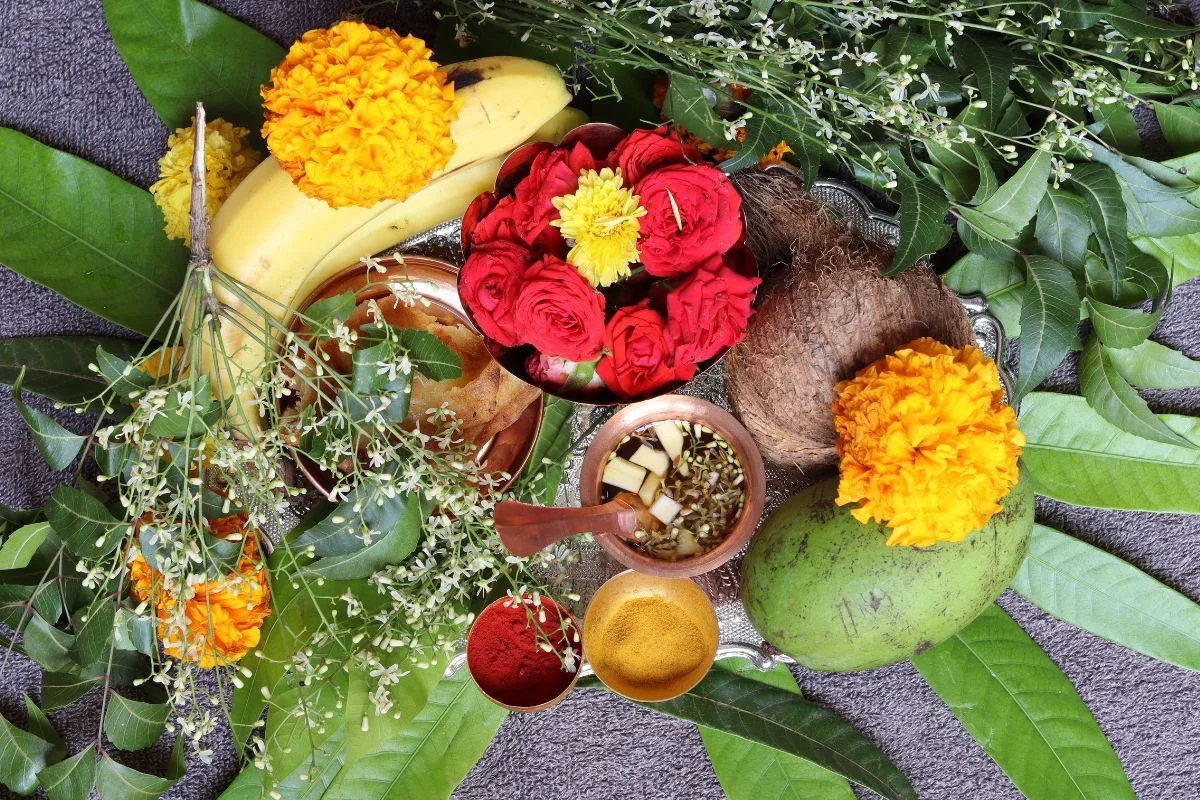
It is a domestic festival rather than a public spectacle, and that is its character. Houses are cleaned and doorways decorated with mango leaves in the days before. On the morning itself families take a ritual oil bath, put on new clothes and visit the temple, where the panchangam — the almanac for the coming year — is read aloud. Then comes the dish that defines the day: Ougadi pachadi, a preparation combining six tastes in one mouthful — jaggery for sweetness, neem flower for bitterness, tamarind for sourness, salt, green chilli for heat and raw mango for tang. The point is not culinary but philosophical: the year ahead will contain all of these, and they should be accepted together. Sweets and savouries follow, and the rest of the day is spent with family.
Homes are cleaned and hung with mango leaves, families take a ritual oil bath and wear new clothes, temples read the panchangam for the year ahead, and Ougadi pachadi — the six-taste dish — is shared at home.
ETIQUETTE FOR VISITORS
This is largely a family occasion. Temples welcome respectful visitors — dress modestly and remove your shoes — but do not expect a street celebration. If you are invited to a home, try the pachadi.
PLANNING AROUND IT
A public holiday: shops, offices and banks close, and some attractions run reduced hours. Roads are quieter than at Diwali or Maha Shivratri, since celebrations happen indoors.
WHERE TO SEE IT
Where Ougadi Is Marked
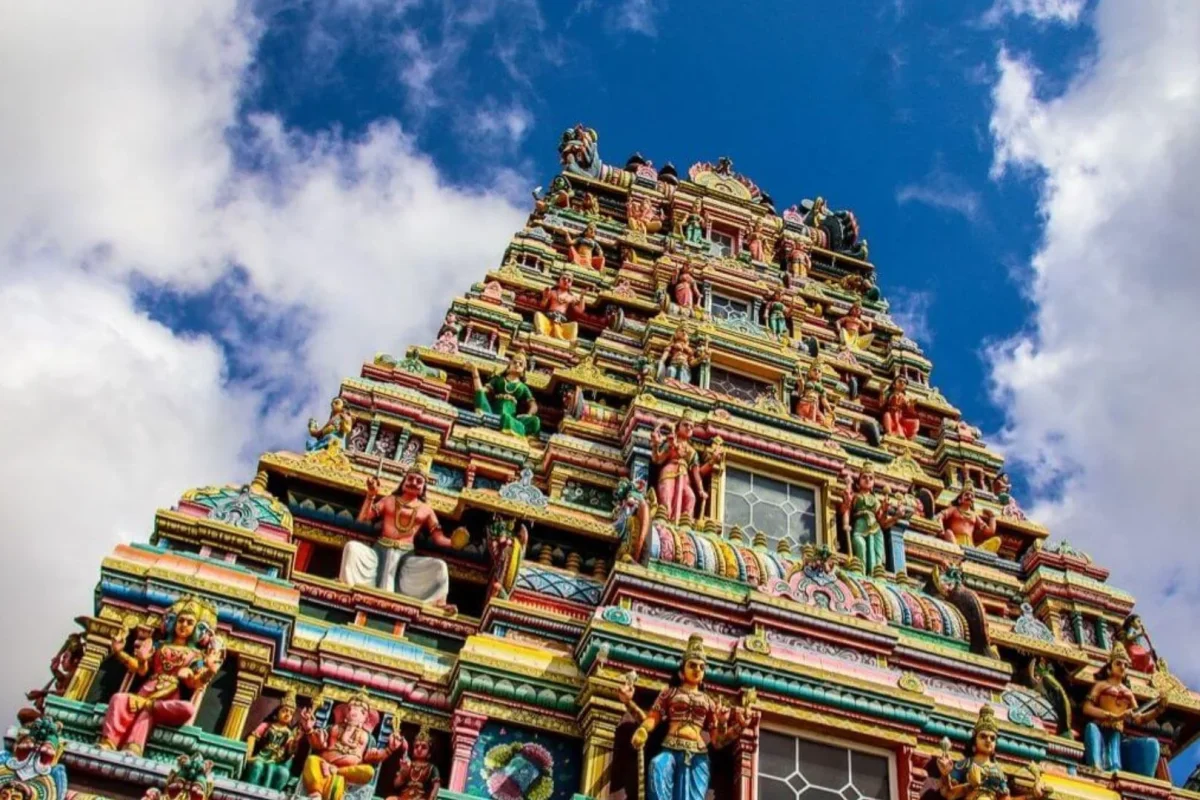
Telugu Temples
Where the panchangam is read on the morning of the new year, and the one part of the day open to anyone who comes respectfully.
The first day of the new year in the Telugu lunisolar calendar, falling on the first day of the month of Chaitra. The name comes from yuga and adi — the beginning of an age.
In March or April, shifting each year with the lunisolar calendar. In 2026 it falls on Thursday 19 March, listed as a national public holiday in the government’s published calendar.
The Telugu community of Mauritius, descendants of indentured labourers who came from the Andhra coast of India. It is nonetheless a national public holiday observed across the island.
The dish that defines the day: jaggery, neem flower, tamarind, salt, green chilli and raw mango combined so that sweet, bitter, sour, salty, hot and tangy are tasted together — a reminder that the year ahead will hold all of them.
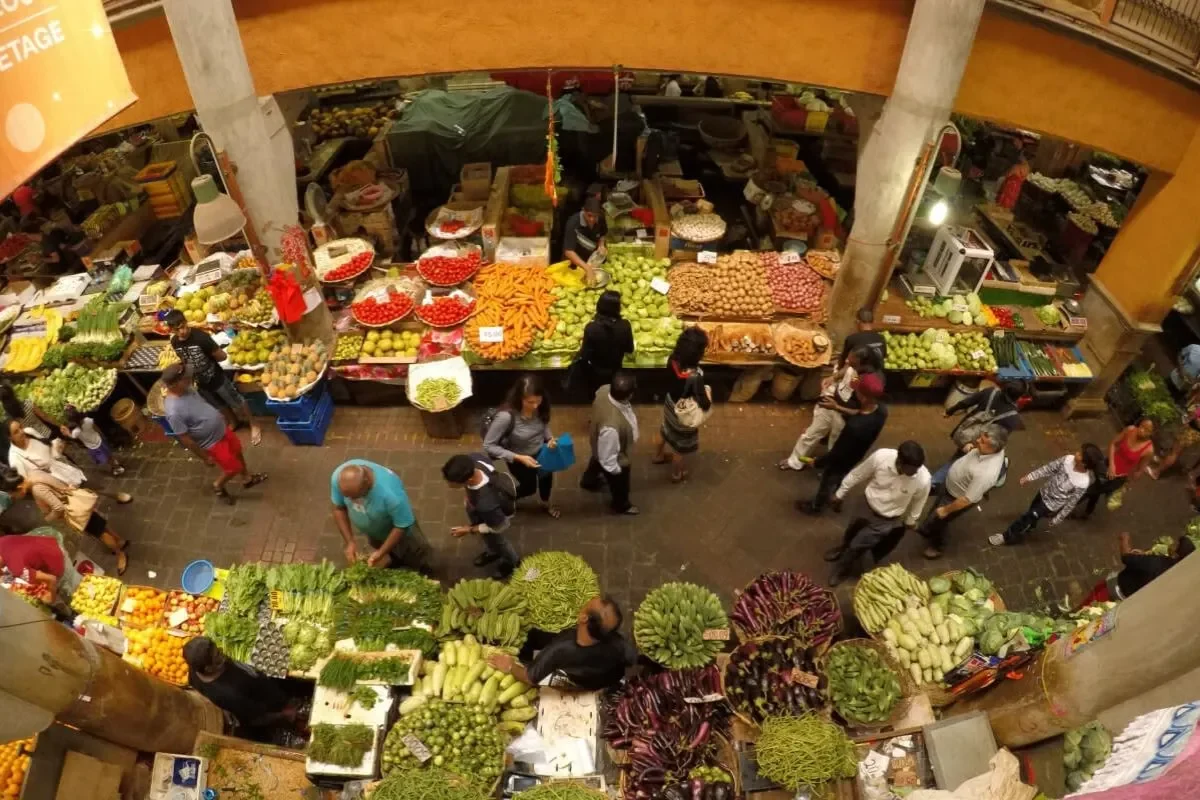
Little. Ougadi is a home and temple festival rather than a street one. Temples are open to respectful visitors on the morning for the reading of the panchangam, and the markets in the days before are worth a look for the ingredients.