Sankranti in Mauritius

The one Hindu festival fixed to the sun rather than the moon — mid-January, sesame and jaggery sweets, and the turn of the year towards longer light.

WHEN
Mid-January – usually 14 or 15 January
WHERE
Homes and temples, Telugu and Marathi families
PUBLIC HOLIDAY
No – a working day in Mauritius
BEST SEEN
Morning temple prayers and the sweets
What Sankranti Means Here

A festival set by the sun, not the moon.

Makar Sankranti marks the sun’s passage into Makara, the sign of Capricorn, and the beginning of its northward journey — uttarayana. Almost every other Hindu festival follows the lunar calendar and moves by weeks from year to year; Sankranti is tied to the solar cycle, which is why it lands on 14 or 15 January almost without fail. It is also, at heart, a harvest festival: a thanksgiving for what has been gathered and a marker of the turn towards longer days.

In Mauritius it is observed mainly by the Telugu and Marathi communities, alongside the closely related Tamil festival of Thai Pongal at the same point in the calendar. It is not a public holiday here, and it is not a street festival — the day is built around morning prayers at home or at the temple, a ritual bath, offerings of the new harvest, and above all sweets made from sesame and jaggery. Til laddoo and chikki are prepared and shared with the Marathi greeting til gul ghya, god god bola — take this sesame and jaggery, and speak sweetly. The kite flying that dominates Sankranti in parts of India has never taken root here; in Mauritius the day is quieter, domestic and food-centred.

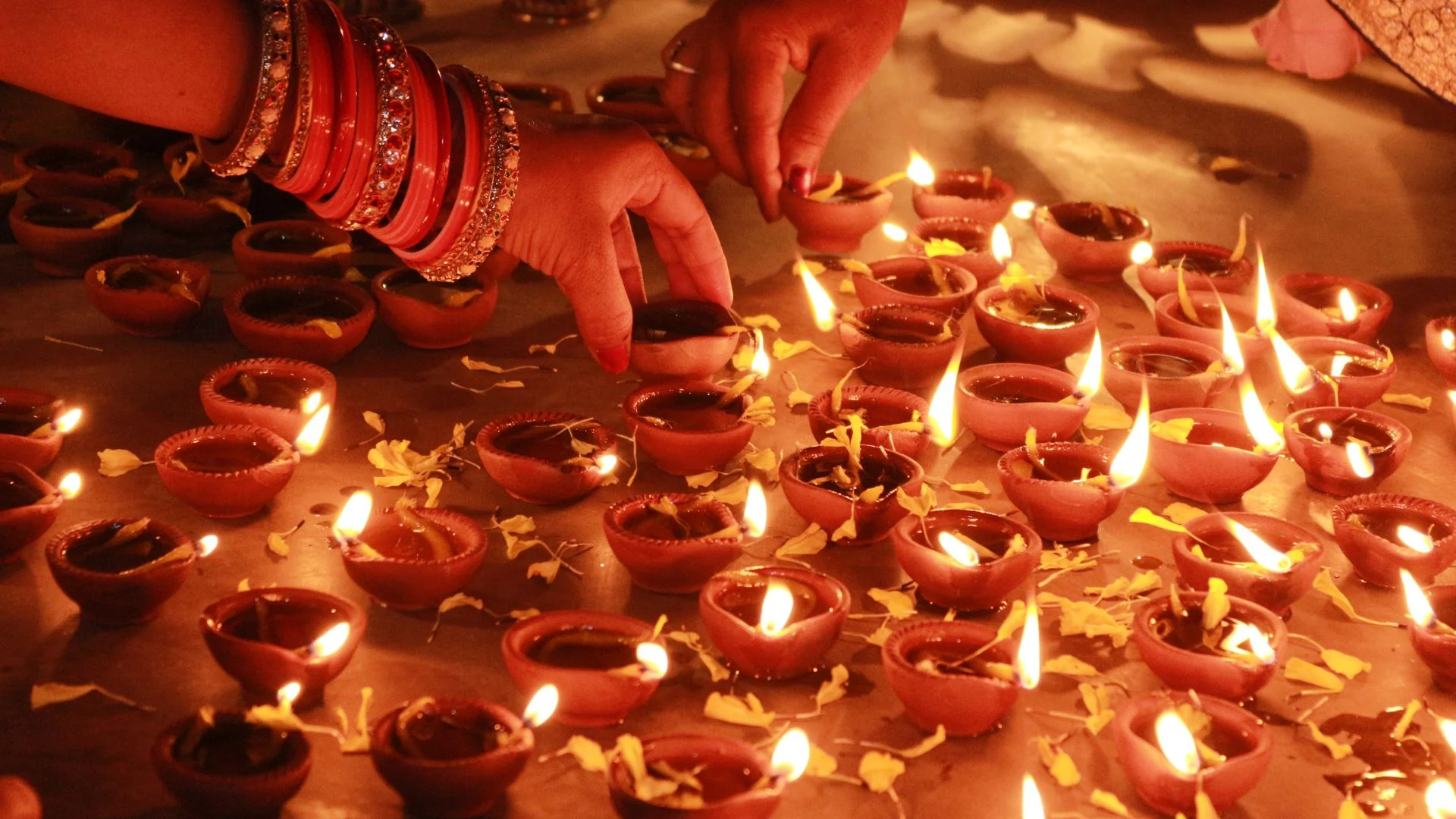
Sesame and jaggery sweets prepared for Sankranti in Mauritius

Good to know.

WHAT HAPPENS

A ritual bath and morning prayers at home or the temple, offerings from the new harvest, and the making and sharing of sesame-and-jaggery sweets — til laddoo and chikki — between families and neighbours.

ETIQUETTE FOR VISITORS

Temples are open to respectful visitors — dress modestly and remove your shoes. If sweets are offered, accept them; refusing is the only real discourtesy.

PLANNING AROUND IT

Not a public holiday, so shops, offices and attractions run as normal. Expect no road closures or crowds — this is a quiet day observed largely indoors.

WHERE TO SEE IT

Where Sankranti Is Marked

Temples

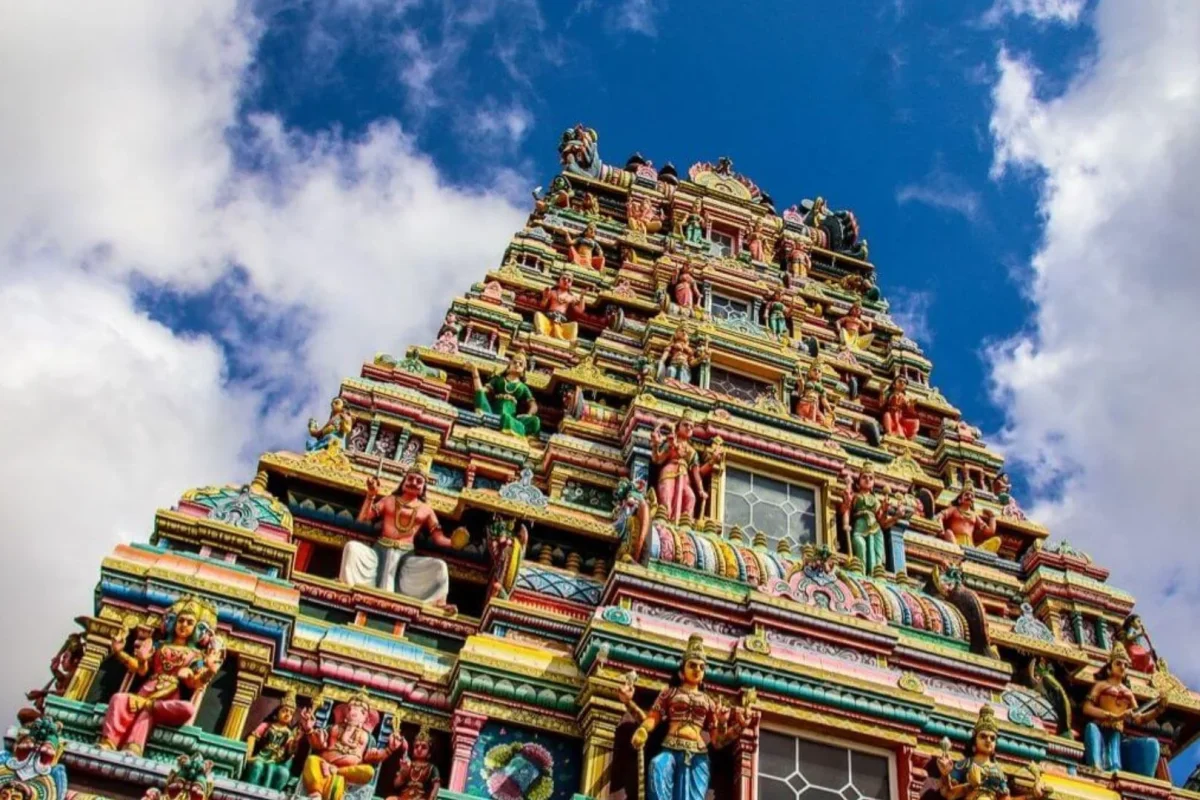
Morning prayers and offerings of the new harvest — the most visible part of the day, and open to anyone who arrives respectfully.

The Markets Beforehand

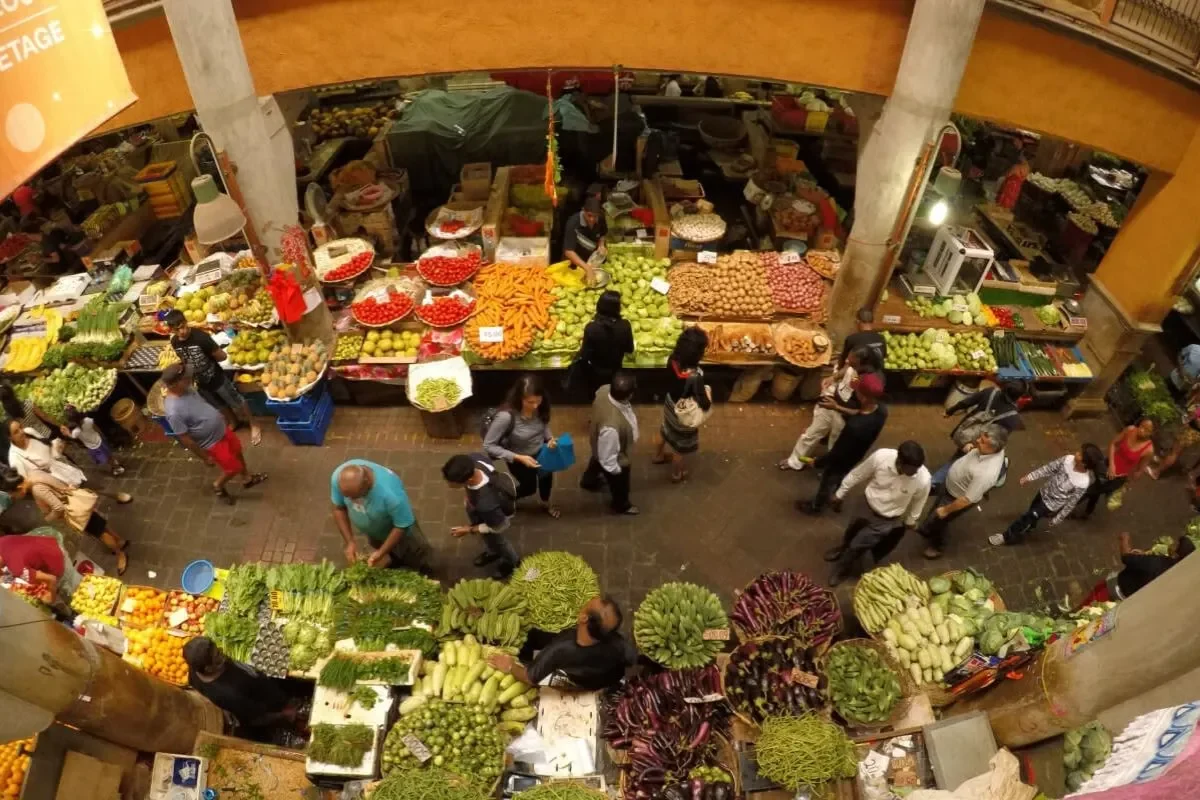
Sesame, jaggery and groundnuts pile up on the stalls in the first fortnight of January — the clearest sign the festival is coming.

At the Table

Sankranti is a kitchen festival. A cooking class or a meal with a Mauritian family will show you more of it than any public event.

More Hindu Festivals in Mauritius

FEBRUARY
OCTOBER / NOVEMBER
GOOD TO ASK

Frequently asked questions.

Mid-January, almost always on 14 or 15 January. Unlike most Hindu festivals it follows the solar calendar rather than the lunar one, so the date barely moves from year to year.

The sun’s passage into Makara — Capricorn — and the start of its northward journey, uttarayana. It is also a harvest thanksgiving, which is why offerings of new produce feature in the prayers.

No. Shops, offices and attractions run as normal, and there are no road closures or crowds. It is observed mainly by Telugu and Marathi families, alongside the Tamil festival of Thai Pongal at the same point in the calendar.

Both are warming foods eaten at the coldest point of the year in northern India, and the combination carries a social meaning: sweets are exchanged with the Marathi greeting til gul ghya, god god bola — take this sesame and jaggery, and speak sweetly.
Not really. The kite festivals associated with Sankranti in Gujarat and elsewhere never took hold in Mauritius. Here the day is quieter, centred on the home, the temple and the kitchen.